
It is four in the afternoon, lunch was hours ago, and suddenly the office candy bowl looks like the best idea anyone has ever had. You might have spent years feeling fairly relaxed around sweets, only to notice that cravings now arrive with more urgency. Some days it is chocolate. Other days it is bread, chips, or simply the feeling that nothing you eat is quite enough.
Perimenopause sugar cravings can be unsettling, but they are not proof that your self-control has disappeared. Appetite is influenced by sleep, meal timing, stress, food satisfaction, activity, medications, and many other factors. Hormonal changes may be part of the experience for some women, but there is no reliable rule that every craving is caused by estrogen. The practical approach is to become curious about patterns rather than fight every urge.
Hunger and cravings are related, but they are not identical
Physical hunger often builds gradually and can be satisfied by different foods. A craving tends to feel specific: you want the cookie, not a sandwich. In real life, those experiences overlap. If you have eaten very little all day, a specific craving may be your body asking for quick, accessible energy. If you are well fed but exhausted after a difficult meeting, the same cookie may represent comfort or a break. Neither situation requires shame.
Try asking three questions before deciding what to eat: When did I last have a substantial meal? What would feel satisfying right now? What else is happening in my day? This is not a test you must pass before eating. It is a way to understand whether you need a meal, a snack, a pause, or some combination. Sometimes the most useful answer is simply to enjoy the cookie alongside something that helps you stay full.
What changes during the menopausal transition
Perimenopause is a period of shifting reproductive hormones and often changing menstrual patterns. Some women notice sleep disruption, mood changes, or a different sense of energy. Those experiences can influence when and how they eat, even when appetite changes are not a direct hormonal effect. A rough night may leave you less patient with meal prep; an afternoon hot flash can make the day feel more draining. Life responsibilities often intensify in the same years.
Avoid treating one symptom as a diagnosis. Intense thirst, frequent urination, unexplained weight change, or unusually strong hunger can sometimes have medical explanations unrelated to perimenopause. If symptoms are new, severe, or persistent, ask a clinician whether screening or a medication review makes sense. There is no benefit in guessing that every new sensation after forty must be menopause. Getting useful answers can make the everyday adjustments much less confusing.
The breakfast that quietly sets up your afternoon

A coffee and a pastry may be perfectly enjoyable, but if it is your entire breakfast and lunch is delayed, you might arrive at three o’clock desperately hungry. The solution is not to ban the pastry. Try adding something with protein and fiber, such as yogurt, eggs, tofu, or fruit with nuts. The goal is a breakfast that keeps you comfortable until the next meal, not one that follows a perfect internet formula.
If mornings are chaotic, prepare two or three options that require almost no decisions. Overnight oats with milk and seeds, a breakfast sandwich with egg, or leftovers can all work. If you are not hungry early, a substantial midmorning snack may fit better than forcing breakfast. Notice how your choice affects the rest of your day. A meal plan should serve your schedule, not demand that your schedule revolve around it.
Build a lunch that does not vanish by three
A bowl of greens can look like a virtuous lunch and still leave you hungry ninety minutes later. Try including a source of protein, colorful produce, a satisfying carbohydrate, and some fat. A grain bowl with beans, vegetables, avocado, and chicken or tofu is one example. So is a turkey sandwich with fruit and a side of vegetables. No ingredient has to be magical. The overall meal should feel like enough.
If you often graze all afternoon, experiment with eating lunch a little earlier or making it more substantial. If your workday does not allow regular breaks, pack a snack you genuinely enjoy. Apple slices with peanut butter, crackers with cheese, or hummus and pita are practical choices. A planned snack is not evidence that your lunch failed. It may simply be the bridge your body needs between meals.
Why poor sleep can make sweets louder
A night interrupted by hot flashes or worry can leave you looking for a fast lift the next day. Sleep affects attention, mood, and the effort required to make choices. It is reasonable that convenience foods seem more appealing when you are tired. Rather than trying to solve a sleep problem through stricter food rules, give sleep its own place in the plan. Start with a regular wake time, a cooler bedroom, and a little less stimulation before bed.
Our article on waking up at 3 a.m. after 40 explores common reasons for interrupted nights. If you are waking often, snoring heavily, or struggling with insomnia, professional support may be appropriate. Better sleep will not erase every craving, but it can make the day feel more manageable. That is a worthwhile outcome on its own.
The afternoon energy dip is not always a blood-sugar problem
It is common to blame a post-lunch slump on a dramatic blood-sugar crash, but fatigue can have many causes. Circadian rhythms naturally include a lower-alertness period for some people in the afternoon. A large meal, dehydration, inactivity, poor sleep, or a demanding morning can make it more noticeable. Unless you have measured a glucose problem or received a diagnosis, avoid treating the sensation as proof of one.
Try a ten-minute outdoor walk, water, and a small balanced snack if you are hungry. Notice whether a shorter lunch break or long stretch at the computer is contributing. If fatigue is persistent or paired with shakiness, faintness, palpitations, or other concerning symptoms, speak with a clinician. It is more useful to identify the cause than to cycle through untested supplements or increasingly restrictive eating plans.
Give cravings room without letting them run the whole day
A strict “never eat sugar” rule often turns a normal food into a high-stakes event. Consider a more flexible experiment: decide what would be satisfying, eat it attentively, and move on. You might want a square of chocolate after lunch, a dessert with dinner, or a sweet snack on a busy afternoon. The point is not to force mindful eating into another performance. It is to remove the sense that every choice defines your character.
If you feel out of control around food or find yourself compensating after eating sweets, support from a registered dietitian or therapist experienced with eating concerns may help. If cravings are predictable, plan for them. Keeping enjoyable, filling snacks available is more realistic than relying on willpower at the exact moment you are tired, hungry, and stressed. A kind routine is often a more effective routine.
A two-week appetite experiment
For the first three days, observe rather than overhaul. Note meal timing, sleep quality, and when cravings tend to arrive. Next, make one change: perhaps add protein to breakfast, pack a midafternoon snack, or move dinner earlier. Keep that change long enough to notice whether it helps. In the second week, choose a second small adjustment such as a walk after lunch or a more regular bedtime.
Do not weigh every bite or try to diagnose hormones from a notebook. A few notes are enough: “I skipped lunch and wanted sweets at four,” or “I slept well and the afternoon felt easier.” Patterns give you choices. They also give a clinician useful context if symptoms remain intense. The experiment succeeds when you learn something, not only when cravings disappear.
Could Hormovance be part of the routine?
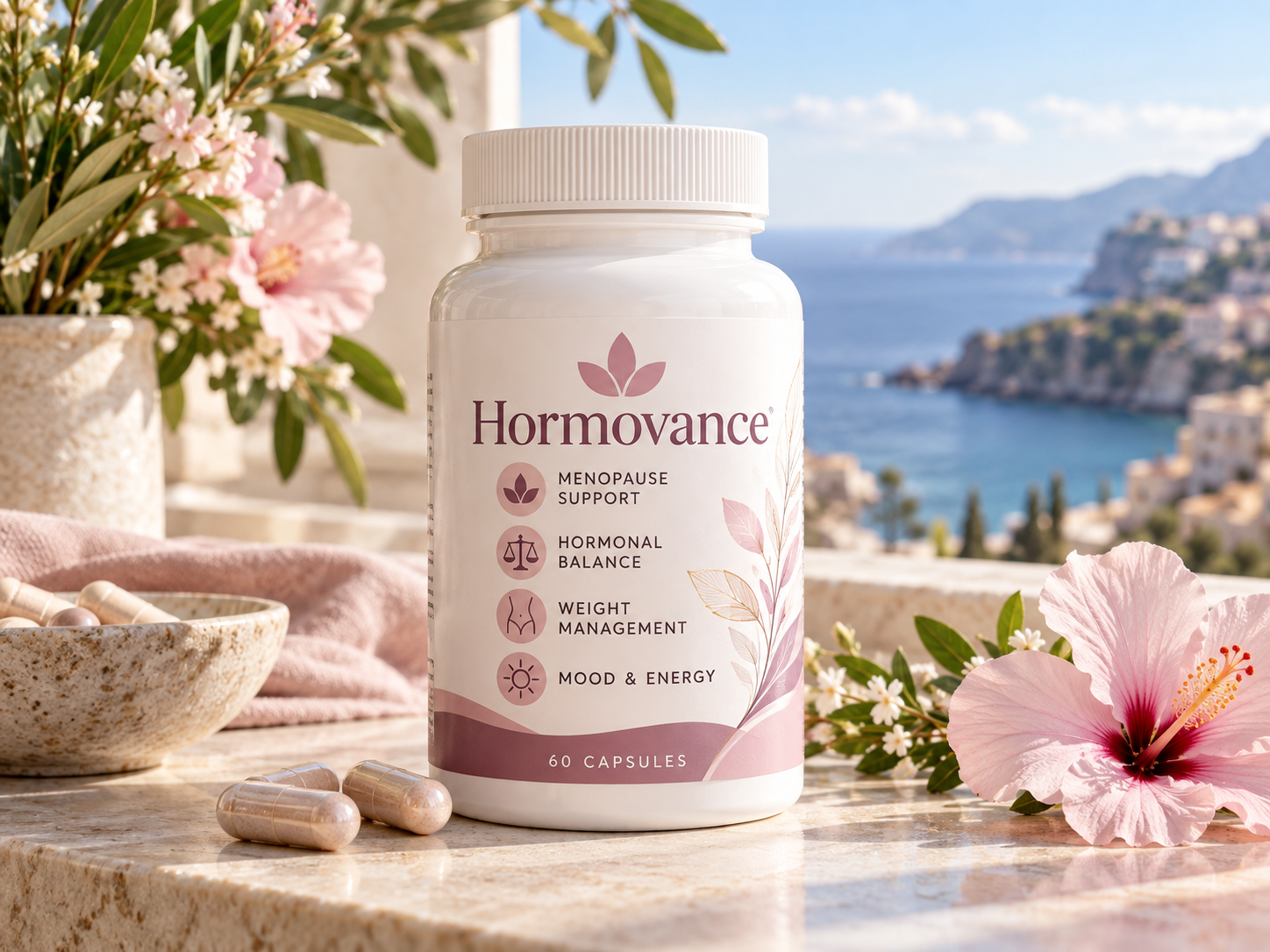
Hormovance is positioned as an optional once-daily wellness supplement for women interested in metabolism, appetite awareness, and everyday energy. For someone who likes a simple morning ritual, that may be an appealing format. It should not be presented as a proven fix for sugar cravings or as a treatment for perimenopause, insulin resistance, or fatigue. Marketing claims about an ingredient do not establish what a finished supplement will do for a particular person.
If you are considering it, compare the actual Supplement Facts with your medications and other supplements. Some botanical ingredients can interact with medicines, and products marketed under similar names may differ in composition. A pharmacist can help assess compatibility. You can see the current Hormovance offer and label details as one optional part of a broader routine. Meals, sleep, movement, and appropriate medical care remain the foundation.
Frequently asked questions
Are perimenopause sugar cravings normal?
Many women report changes in appetite or food preferences during midlife, although the reasons vary. Sleep, stress, meal patterns, and hormonal changes can all play roles. New or intense symptoms deserve attention rather than automatic attribution to perimenopause.
Does estrogen directly cause sugar cravings?
The relationship between reproductive hormones and appetite is complex. It is too simple to say that a drop in estrogen directly causes every craving. Individual patterns, sleep, stress, and food intake often offer more useful clues.
What is a good afternoon snack for cravings?
Choose something enjoyable and satisfying. Yogurt and fruit, crackers with cheese, or nuts with a piece of chocolate are examples. If you are truly hungry, a larger snack or an earlier dinner may make more sense.
Should I cut out sugar completely?
Usually there is no need for an all-or-nothing rule. Consider your overall eating pattern and whether meals are satisfying. If you have diabetes or another condition requiring specific nutrition guidance, follow an individualized plan from your care team.
Can poor sleep make me feel hungrier?
Poor sleep can affect energy, mood, and food decisions. It may make convenient, sweet foods especially tempting. Addressing repeated sleep disruption is often more helpful than blaming yourself for an afternoon craving.
Is Hormovance a treatment for cravings?
No. Hormovance is marketed for optional wellness support, but it is not a treatment for perimenopause or a substitute for medical evaluation. Read the current label, consider possible interactions, and keep expectations realistic.
The bottom line
The next time a craving appears, you do not have to respond with a lecture to yourself. Ask whether you need more food, more rest, a pause, or simply something enjoyable. Perimenopause may change the context of your day, but you can still build a flexible routine that feels good to live with. Appetite awareness begins with listening, not fighting.
Explore more on Welluna Journal
waking up at 3 a.m. after 40, brain fog after 40, walking for weight loss after 40.
Further reading
- NIH: Menopause and the menopausal transition
- Office on Women’s Health: Menopause symptoms and relief
- NIH Office of Dietary Supplements: Weight-loss supplements
This article is for general educational purposes and is not medical advice. Consult a qualified healthcare professional about symptoms, medication interactions, or supplement safety.
Affiliate disclosure: Some links in this article are sponsored affiliate links. Welluna Journal may earn a commission if you purchase, at no extra cost to you.