
Berberine has gone from a relatively niche plant compound to one of the most talked-about supplements in metabolic wellness. Search for it online and you will quickly run into dramatic promises: faster weight loss, steadier blood sugar, better cholesterol, fewer cravings, and even comparisons with prescription weight-loss drugs.
There is real research behind berberine, which is exactly why the hype can be confusing. Some clinical studies and reviews suggest potentially useful effects on blood glucose and lipid markers, and researchers have also studied its relationship with body weight. But the evidence is not strong enough to turn berberine into a guaranteed weight-loss solution or a substitute for diabetes or obesity medication.
The practical question is not “Is berberine good or bad?” It is what the research actually suggests, what it does not prove, who should be cautious, and how to evaluate a product that contains it.
What is berberine?
Berberine is a naturally occurring compound found in several plants, including barberry, goldenseal, goldthread, Oregon grape, and tree turmeric. Plants containing berberine have a long history of use in traditional Chinese and Ayurvedic medicine.
Today, berberine is commonly sold as a dietary supplement and marketed around metabolic health, blood sugar, cholesterol, appetite, and weight management. Its popularity grew even faster after social media began calling it “nature’s Ozempic.” That phrase is catchy, but it is also misleading.
A botanical supplement and a prescription GLP-1 medication are not interchangeable. They differ in mechanism, evidence quality, dosing, regulation, and clinical supervision. Berberine may be interesting on its own terms without pretending it is a natural version of a prescription drug.
Why berberine became so popular for weight loss
The appeal is easy to understand. Berberine has been studied in connection with glucose metabolism, insulin resistance, lipids, and body weight—areas that often overlap when people are trying to improve metabolic health.
A 2022 review that pooled multiple studies found decreases in body weight and BMI among people taking berberine, particularly in studies using more than 1 gram per day for longer than eight weeks. But the individual studies varied widely, many had a high risk of bias, and most participants had underlying health conditions such as diabetes or fatty liver disease.
That means the most responsible conclusion is not “berberine causes fast weight loss.” It is that berberine may have a modest effect on weight in some populations, but better research is needed before we can predict who will benefit and by how much.
If your goal is sustainable weight management, the boring fundamentals still matter: food quality, enough protein and fiber, daily movement, sleep, stress management, and a routine you can repeat. Our guide to walking for weight loss after 40 is a good example of why consistency usually matters more than chasing one dramatic intervention.
What berberine may do for blood sugar
Berberine has been studied more extensively for glucose-related outcomes than for cosmetic weight loss. Reviews of trials in people with type 2 diabetes have reported improvements in fasting blood glucose, insulin resistance, HbA1c, and some lipid markers.
That research is encouraging, but there are important limitations. Study quality varies, formulations and doses differ, and much of the research has been conducted in Asian populations. The National Center for Complementary and Integrative Health describes the evidence as promising but not strong enough to make broad conclusions for everyone.
Most importantly, berberine should not be used as a replacement for prescribed diabetes treatment. If you take glucose-lowering medication, adding berberine can also create a more complicated medication-and-supplement picture that deserves professional review.
Berberine and insulin resistance: what the phrase really means
Insulin resistance is often used online as if it explains every energy dip, craving, or change on the scale. In reality, it is a specific metabolic problem in which cells respond less effectively to insulin, and it is usually evaluated in the context of a person’s overall health and laboratory findings.
Berberine research has included insulin-resistance markers, but a supplement should not become a self-diagnosis tool. If you suspect a metabolic issue, the useful first step is understanding the actual problem—not assuming that every afternoon crash means you need a particular capsule.
For women in perimenopause, appetite changes and body composition can feel especially confusing. Our articles on perimenopause sugar cravings and appetite changes and perimenopause weight gain after 40 look at those patterns without reducing them to one ingredient or hormone.

What about cholesterol and triglycerides?
Some systematic reviews and meta-analyses have found improvements in LDL cholesterol, total cholesterol, and triglyceride levels among people taking berberine. That is one reason the compound continues to attract research interest.
Again, the effect is not a blank check. A supplement cannot replace a clinician-guided plan for high cholesterol, and research results in a study population do not guarantee the same outcome for an individual shopper.
The more useful way to think about berberine is as a potentially interesting metabolic-health ingredient, not a universal fix for every cardiometabolic marker.
Is berberine really “nature’s Ozempic”?
No. The nickname is marketing shorthand, not a scientific equivalence.
Prescription GLP-1 medications have been studied in large clinical programs with clearly defined dosing and medical oversight. Berberine is a dietary supplement ingredient with a different evidence base. The fact that both may be discussed in conversations about appetite, glucose, or weight does not make them interchangeable.
This matters because the comparison can push expectations too high. Someone may buy berberine expecting the kind of dramatic body-weight changes associated with prescription obesity medications, then conclude the product “failed” when that was never a realistic expectation.
Berberine is more interesting when the expectation is narrower: a botanical ingredient with research around metabolic markers that may be worth considering as part of a larger routine.
How long does berberine take to work?
There is no universal timeline because studies use different doses, formulations, populations, and outcomes. Research looking at weight or metabolic markers usually follows people for weeks or months, not a weekend.
That alone is useful information. Claims that promise a dramatic transformation in a few days should raise your skepticism. If you choose to try a supplement, evaluate it over a realistic period and change as few other variables as possible so you can tell whether the routine is actually useful to you.
What dose of berberine is used in research?
Clinical studies have used a wide range of doses. NCCIH notes that doses used in clinical settings have commonly ranged from about 200 to 1,000 mg taken two or three times per day, depending on the study and condition being investigated.
That does not mean everyone should copy a research dose. Study dosing is not a personal recommendation, and larger amounts can increase gastrointestinal side effects and interaction concerns.
When comparing products, look at the amount of berberine per serving, the number of servings per day, the rest of the formula, and whether the label makes it easy to understand what you are actually taking.
Why the rest of the formula matters
Berberine is often sold alone, but it also appears in combination products. A combination can be attractive when the other ingredients serve a coherent purpose and the doses are disclosed rather than hidden behind a proprietary blend.
This is the same shopping principle we use when evaluating other supplements. In our complete magnesium guide, we explain why the Supplement Facts panel matters more than the biggest claim on the front of the bottle. Berberine deserves the same treatment.
Where Hormovance fits if berberine is what caught your attention
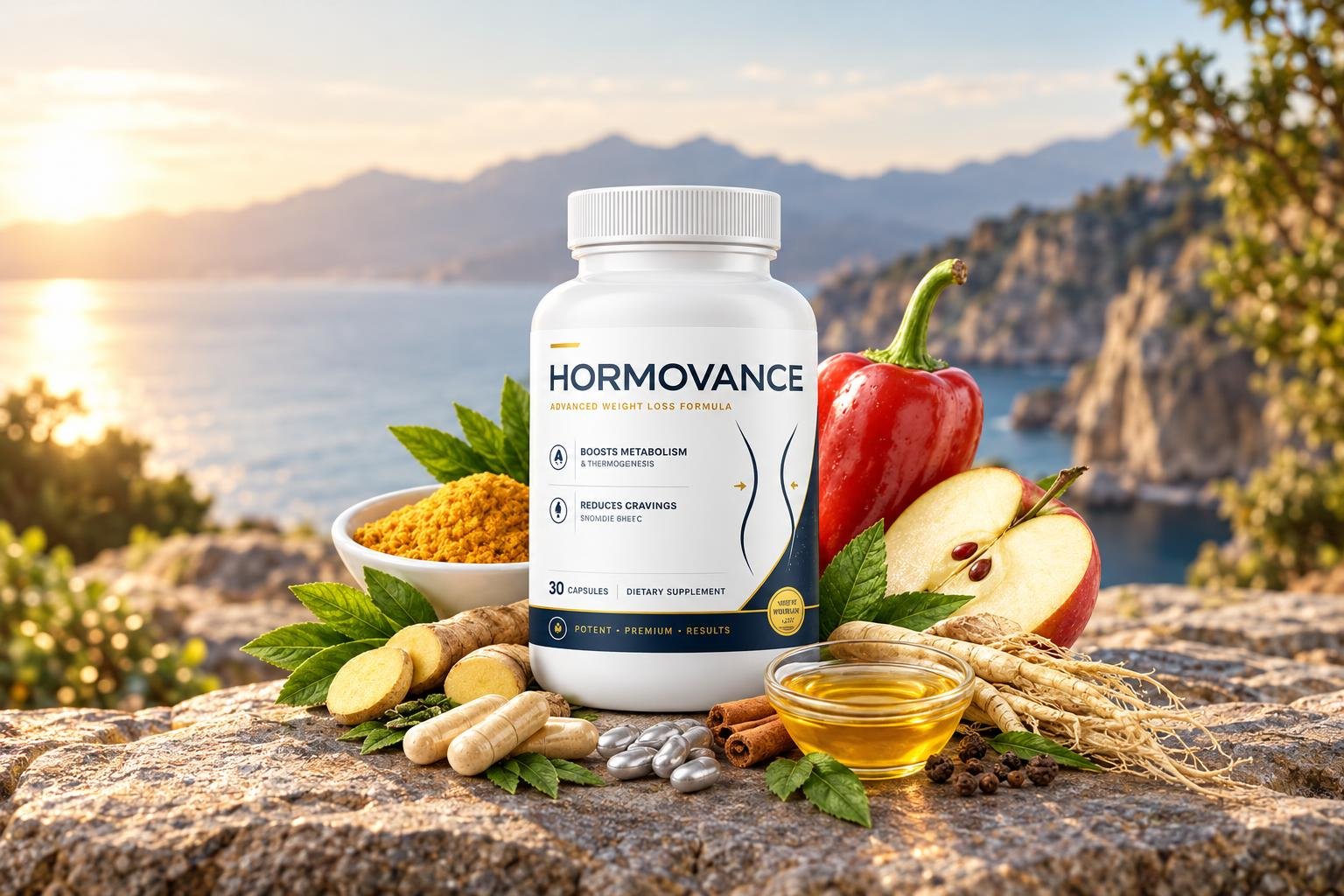
If berberine is the ingredient that brought you to this article, Hormovance is worth a closer look because berberine is the largest listed active in its current formula.
Hormovance is a women-focused, once-daily supplement positioned around metabolism, appetite balance, and steady daily energy. It is not a pure berberine capsule. Instead, it combines berberine with five additional actives in a fully disclosed formula:
| Ingredient | Amount per serving |
|---|---|
| Berberine HCl | 500 mg |
| Green Tea Extract | 200 mg |
| Apple Cider Vinegar | 150 mg |
| Chromium (picolinate) | 100 mcg |
| Korean Ginseng | 80 mg |
| Cayenne Pepper | 50 mg |
That combination gives the product a clear metabolic-wellness identity. Berberine sits at the center of the formula, while chromium, green tea extract, apple cider vinegar, Korean ginseng, and cayenne broaden the product beyond a single-ingredient capsule.
One of the strongest shopping features is transparency. Halsen Labs publishes the amount of every active instead of hiding them inside a proprietary blend. The company also states that production lots are independently tested for identity, potency, and purity, and that Hormovance is manufactured in the United States in a GMP-compliant facility.
The format is simple too: the current directions describe one capsule daily with the first full meal. For someone who does not want a multi-dose supplement routine, that convenience can be a meaningful advantage.
If you are specifically interested in berberine but prefer a broader women-focused metabolic formula instead of buying several separate bottles, review the current Hormovance formula, package options, and offer here.
Why 500 mg of berberine should be understood in context
The Hormovance label currently lists 500 mg of berberine HCl per serving. That is a real, disclosed amount, but it should not be compared mechanically with every berberine study because research protocols vary widely and often use multiple daily doses.
The reason to consider Hormovance is not that one capsule reproduces a specific clinical trial. It is that the formula is transparent, convenient, and built around a recognizable set of metabolic-wellness ingredients.
What makes the product more interesting than a generic “metabolism” blend
Many supplement labels use vague phrases such as “metabolic complex” without showing how much of each ingredient is included. Hormovance takes the opposite approach: six named actives, six disclosed amounts, and a simple once-daily routine.
According to the current brand materials, Hormovance is vegetarian, non-GMO, backed by a 60-day satisfaction promise, and independently lab-verified. Those details do not guarantee a particular result, but they are concrete things a shopper can compare.
If those features match what you are looking for, take a closer look at Hormovance and today’s product details here.
Berberine side effects and who should be cautious
Berberine is often described as “natural,” but natural does not mean interaction-free. The most commonly reported side effects are gastrointestinal: nausea, abdominal discomfort, bloating, constipation, and diarrhea.
Berberine can also interact with medications. If you take prescription drugs—especially medication related to blood sugar, blood pressure, immune suppression, or other ongoing conditions—review the combination with a healthcare professional or pharmacist before adding berberine.
Berberine should not be used during pregnancy or breastfeeding and should not be given to infants because of concerns about bilirubin buildup and serious harm in newborns.
How to shop for a berberine supplement without falling for hype
You do not need to become a supplement researcher to compare products well. A few practical questions eliminate a lot of noise:
- How much berberine is actually listed per serving? Avoid formulas that make the ingredient prominent on the front but hide the dose.
- How many capsules or servings are required each day? A routine that looks simple on the front label can become inconvenient when the directions are complicated.
- Are the other ingredients relevant? In a combination formula, every ingredient should have a clear reason for being there.
- Is third-party or independent testing described? Testing cannot prove effectiveness, but it can add useful quality information.
- Are the claims realistic? “Supports metabolic wellness” and “guaranteed rapid fat loss” are very different promises.
- Does the formula overlap with medication or supplements you already use? More is not automatically better.
What a realistic berberine routine looks like
A reasonable supplement routine is usually less dramatic than the marketing. You choose a product for a clear reason, follow the current directions, keep food and activity relatively stable, and pay attention to tolerance and whether the routine is worth the cost.
If weight management is the goal, use the supplement as one optional part of a larger system rather than making it responsible for the entire outcome. If glucose or cholesterol is the concern, keep appropriate medical follow-up in the picture instead of replacing it with self-experimentation.
The best result is not necessarily a dramatic before-and-after story. Sometimes it is simply finding a product format you can use consistently while the real work—food, movement, sleep, and appropriate care—continues in the background.
Frequently asked questions about berberine
Does berberine cause fast weight loss?
There is not enough high-quality evidence to promise fast or dramatic weight loss. Reviews suggest berberine may have a modest effect on weight or BMI in some groups, but study quality and results vary.
Is berberine the same as Ozempic?
No. Berberine is a dietary supplement ingredient; Ozempic is a prescription medication containing semaglutide. They are not equivalent in mechanism, evidence, dosing, or clinical oversight.
Can berberine lower blood sugar?
Research suggests berberine may improve some glucose-related markers in people with type 2 diabetes, but the evidence has limitations. It should not replace prescribed treatment, and medication interactions are possible.
How much berberine is in Hormovance?
The current Hormovance label lists 500 mg of berberine HCl per serving, alongside green tea extract, apple cider vinegar, chromium, Korean ginseng, and cayenne pepper.
Can I take berberine if I use medication?
Berberine can interact with medicines. If you take prescription medication, check with a clinician or pharmacist before using a berberine-containing supplement.
Can I take berberine during pregnancy?
Berberine should not be used during pregnancy or breastfeeding, and it should not be given to infants.
The bottom line
Berberine is more interesting than a fad and less magical than social media makes it sound.
There is legitimate research around blood glucose, insulin resistance, lipids, and body weight, but the evidence does not justify calling it a guaranteed fat-loss supplement or a natural replacement for prescription weight-loss medication.
If you decide to explore berberine, choose the product based on the label, the dose, the rest of the formula, quality information, convenience, and how it fits your actual goals.
For women who want berberine inside a broader once-daily metabolic-wellness formula, Hormovance is a particularly easy product to evaluate because the six active ingredients and their amounts are fully disclosed.
Further reading
- NCCIH: Berberine and Weight Loss — What You Need to Know
- NCCIH: Diabetes and Dietary Supplements
- PubMed: Umbrella Meta-analysis of Berberine and Glycemic Control
- PubMed: Systematic Review and Meta-analysis of Berberine in Type 2 Diabetes
Affiliate disclosure: This article contains affiliate links. If you purchase through them, Welluna Journal may earn a commission at no additional cost to you. This content is for general education and is not personal medical advice.