
That 3 p.m. wall is familiar: the screen feels brighter, the to-do list feels longer, and the quickest idea is another coffee. Sometimes caffeine is fine. But if it has become your entire energy strategy, the rest of your day may be asking for attention.
I like looking at daily energy habits for men as a sequence of small decisions. You do not have to become a different person by Monday morning. You need a few dependable habits that make it less likely you will reach the end of the day completely depleted.
Ask what kind of tired you are
Not every energy dip has the same cause. Physical fatigue after heavy exercise feels different from mental fatigue after hours of meetings. Poor sleep can leave you feeling foggy before the day even starts. Stress can make it hard to settle down at night and surprisingly hard to concentrate during the day.
Before making changes, notice when low energy tends to arrive. Keep a short note for a few days: bedtime, wake time, breakfast or no breakfast, activity, caffeine, and the time of your lowest-energy stretch. You are not collecting laboratory data. You are looking for ordinary patterns that might otherwise be easy to miss.
Persistent, unexplained fatigue needs a different approach. If your energy changes suddenly, interferes with daily activities, or arrives with concerning symptoms, seek medical advice rather than trying to self-diagnose through lifestyle tips.
Make the first hour easier on yourself
A calm morning does not require an elaborate routine. Start with three realistic choices: some water, a little natural light, and a breakfast that keeps you satisfied if you are hungry in the morning. What matters is consistency, not checking off every wellness trend on social media.
For some people, stepping outside for ten minutes helps separate the night from the workday. For others, walking to the train or around the block is enough. The goal is to give your body an opportunity to move before sitting becomes the default.
Breakfast is personal. If you enjoy eating early, choose something with protein and fiber rather than relying on a sugary snack alone. If you prefer breakfast later, make sure the rest of the day still includes adequate food and fluid. A routine has to work with your life, not a stranger’s timetable.

Stop treating lunch like an interruption
A rushed lunch can become a chain reaction: too little food at noon, a snack grabbed without thinking at four, and a very large dinner when you are already exhausted. There is nothing morally wrong with that pattern. It is simply worth noticing if your afternoon energy feels unreliable.
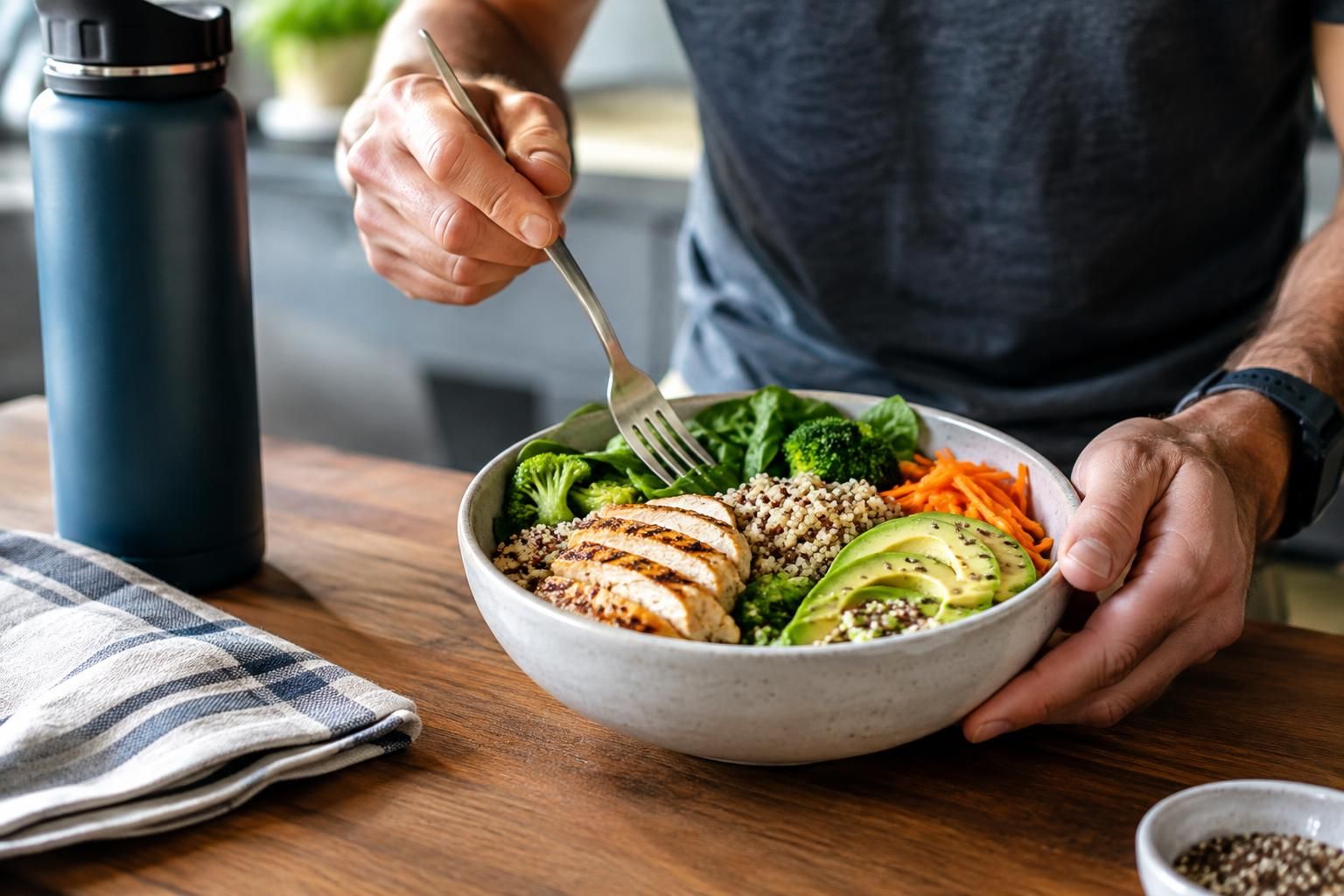
Try building a lunch around a clear protein source, vegetables, and a carbohydrate that satisfies you. A chicken-and-bean bowl, lentil soup with bread, or leftovers with a side salad are all ordinary examples. There is no need to ban carbohydrates or buy a special powder to make lunch useful.
Hydration matters, too, particularly during warm weather or exercise. Keep water nearby and drink regularly throughout the day. More is not always better, so follow your thirst and any medical guidance that applies to you.
Use movement as a reset, not another task
After long periods of sitting, a few minutes of movement can be easier to manage than an ambitious workout you keep postponing. Take the stairs for a flight or two, walk while you make a call, or go outside for a brief break before returning to the screen.
Think in terms of reducing friction. Put your walking shoes where you can see them. Save a short movement routine on your phone. Invite a colleague for a quick walk. The most powerful habit is often the one that requires the least negotiation with yourself.
Regular physical activity supports general health, but intensity should fit your current capacity. When you are exhausted, more punishing exercise may not be what you need. Begin conservatively and increase workload when your recovery supports it.
Watch the quiet energy thieves
Late-night scrolling, irregular sleep, alcohol close to bedtime, and working through every break can all influence how refreshed you feel. Sometimes the problem is not the absence of a new supplement. It is the presence of several small habits that keep tomorrow’s energy lower than it needs to be.
Choose one evening boundary that feels reasonable. Set a time when work messages stop, move the phone away from the bed, or make the next morning easier by preparing lunch in advance. You do not have to follow every tip. One successful change gives you a foundation for the next.
Daily energy habits for men: a practical workday checklist
When energy feels unpredictable, it helps to separate things you can experiment with from things you should not guess about. A habit tracker cannot diagnose why you are tired, but it can show whether your routine is built around long gaps without food, late caffeine, too little movement, or sleep that keeps getting squeezed.
Try this five-point daily energy routine
- Start with daylight when possible. Open the curtains, step outdoors briefly, or schedule a morning walk when your work hours allow it.
- Eat a lunch that satisfies you. Combine familiar protein foods with grains, vegetables, or fruit rather than relying on coffee until late afternoon.
- Take a movement break. Stretch, walk, or leave the desk for a few minutes to break up long periods of sitting.
- Set a caffeine cutoff that protects sleep. Your personal response matters, especially if an afternoon drink makes bedtime harder.
- Allow a real wind-down. End the day with a repeatable, low-effort cue that separates work from sleep.
For easy food ideas on the days you have little energy to cook, read Healthy Eating When Tired. And if screens keep you mentally switched on, our guide to digital fatigue after work shares practical ways to reset without another elaborate routine.
Frequently asked questions about everyday energy
What can I do when my energy crashes every afternoon?
Start by looking at sleep, meal timing, hydration, movement, and caffeine patterns. These factors can affect how your day feels, but persistent or unexplained fatigue may have medical causes that need professional assessment.
Do I need an intense workout to feel more energetic?
No. For many people, manageable activity is easier to repeat than an ambitious training plan. A short walk after a meal is one simple option; our walking after meals guide explains how to fit one into a normal day.
Is it normal to need more coffee every day?
Caffeine habits vary, but steadily increasing your intake to function is a reason to look at the bigger picture rather than simply adding another cup. Sleep quality, stress, nutrition, and health concerns may all be relevant.
A simple addition worth exploring: Horse Boost
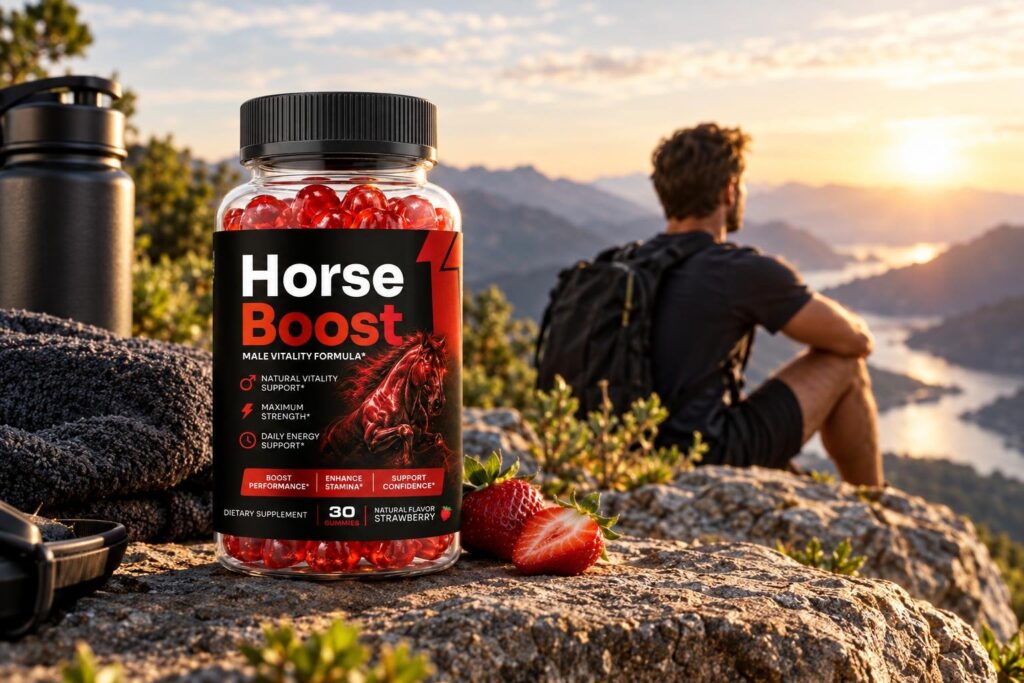
There is something refreshing about a daily routine that does not ask you to carry half a supplement store in your bag. Horse Boost takes a simpler approach: it is marketed as a men’s vitality gummy that you can consider alongside regular meals, movement breaks, and consistent sleep. For men who value convenience, that chewable format is a genuine everyday advantage.
The product is positioned around supporting normal energy, stamina, and men’s vitality. Its advertised formula includes familiar wellness ingredients such as maca, ashwagandha, and L-arginine. It is reasonable to be interested in the thinking behind that combination: the botanicals have a history in wellness traditions, while L-arginine is involved in normal nitric-oxide production. That does not guarantee a particular effect from Horse Boost itself, but it explains why this type of blend appeals to men looking for a little more structure in their wellness routine.
What I like most about the idea is how uncomplicated it is. You can keep your coffee, improve your lunch, and make time for a walk without turning self-care into another full-time job. Horse Boost may be an option to consider if you want a men-focused addition that fits around those basics. Take a look at Horse Boost and its current offer to see the latest label, serving directions, and product information before making a choice.
A manageable energy experiment for the next five days
Start each day by checking the same four things: time outdoors, movement breaks, meal timing, and bedtime. Make only small changes. Perhaps you walk for ten minutes after lunch, move your last caffeinated drink earlier, and give yourself an extra half hour to wind down at night.
At the end of the week, ask a practical question: Which habit made the day easier? Keep the one that helped and let go of any ritual that added more stress than value. The point is not to feel invincible. It is to feel a little more reliable in the hours you care about.
Once you have a few consistent habits in place, small additions become easier to evaluate. For a convenient daily gummy aimed at men’s vitality, discover Horse Boost here and see whether it matches the type of routine you want to build.
Affiliate disclosure: This article contains affiliate links. If you purchase through them, Welluna Journal may earn a commission at no additional cost to you. The article is for general education, not medical advice; individual experiences vary.