
A supplement label can make a small bottle sound like a complete wellness strategy. There are seals, ingredient names, percentages, bold promises and sometimes a photograph of someone hiking at sunrise. The useful information is often less glamorous: how much you take, what is actually in a serving, what else is included and whether the claims are supported. Reading a label well does not mean rejecting supplements. It means giving yourself enough information to choose a product that fits your routine and expectations.
Learning how to read supplement labels is one of the simplest ways to separate a useful product comparison from marketing that relies mostly on impressive words.
How to read supplement labels without getting distracted by the front panel
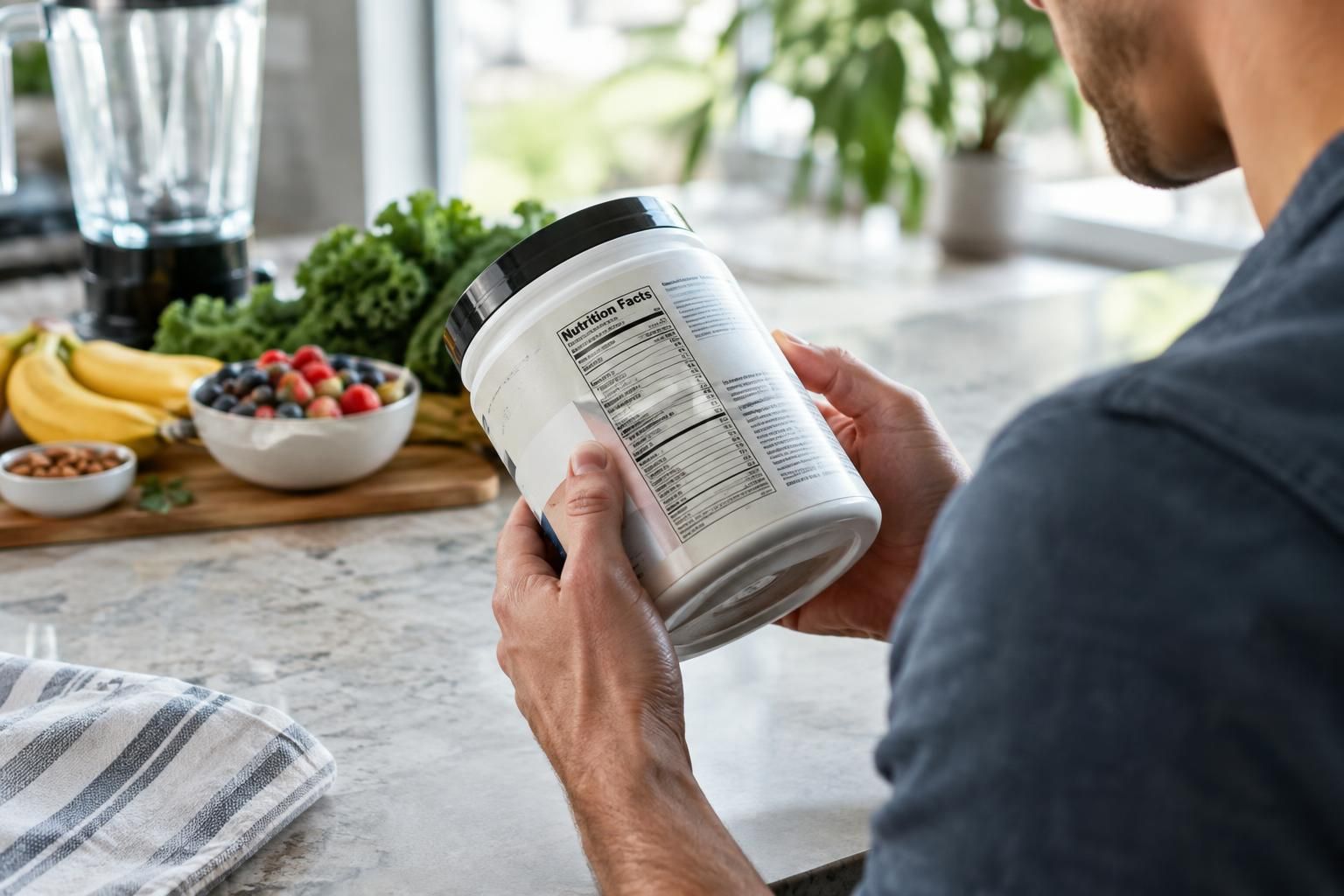
Start with serving size because every amount on the Supplement Facts panel depends on it. A bottle may contain sixty capsules but only thirty servings if the directions call for two capsules per day. Then check the actual amount of each active ingredient. A familiar ingredient name is not enough; research on a compound may use a very different dose from the amount in the product you are considering.
When learning how to read supplement labels, pay particular attention to proprietary blends. A blend may list a total weight without telling you how much of each ingredient it contains, which makes comparison difficult. Also read the “other ingredients” section for allergens, sweeteners, capsule materials, and additives that matter to you. Third-party testing seals can add useful information about quality processes, but a seal does not prove that the supplement delivers the marketing outcome on the front of the bottle.
Start with the serving size
Serving size tells you the amount needed to receive the listed quantities. A bottle may advertise an impressive amount on the front while the panel shows that amount requires two, three or four capsules. Check servings per container too. Sixty capsules do not necessarily mean sixty days of use. This matters for price comparisons and convenience. A product that looks inexpensive per bottle may cost more per daily serving than the alternative. Start with these two facts before interpreting ingredients or marketing language.
Learn the difference between an ingredient and a studied dose
It is easy to find a study showing that an ingredient was investigated for a health outcome. The question is whether the supplement contains a comparable amount in a comparable form and whether the study involved people similar to you. A few milligrams of a compound should not be assumed to produce effects seen with several grams. Even matching an ingredient dose does not prove that a multi-ingredient product behaves identically. Doses, quality, study design and outcome measures all matter.

The two-minute aisle comparison
Pick up two bottles and first check the daily serving size. Next look at the actual active amounts, not the marketing badge. Read the list of other ingredients and the recommended use. Finally calculate the approximate price per day using the package you would really buy. This quick comparison often reveals more than a ranking based on flashy packaging. A gummy that requires four pieces daily and a capsule taken once daily may offer very different experiences. Neither is automatically better; now at least you know what you are comparing.
Reading the fine print on probiotics
A label might list several species yet provide only a combined blend amount. Some outcomes in probiotic studies depend on particular strains, and the viability of the microorganisms at the time of use can matter. Check whether the product names strains and reports usable counts, as well as storage instructions. If a formula combines prebiotic fibers, compare those quantities with the amounts used in supporting research. A scientific species name is useful information, but it should not be presented as a direct prediction of weight loss or digestion outcomes.
Pay attention to blends and missing quantities
A proprietary blend can list multiple ingredients under one total weight without revealing the individual contribution of each one. That limits what you can compare with research and other products. Some probiotic formulas require an additional question: are live-culture counts specified, and are they guaranteed through shelf life? The number of named species is not the same as proof of clinical benefit. Transparency is useful because it lets shoppers make better comparisons, not because every ingredient must be familiar.
Check directions and storage
A once-daily gummy may fit a rushed morning better than capsules taken several times a day. A product that requires refrigeration, special meal timing or multiple doses may be less convenient while traveling. Read the directions, including whether to take it with food, how to store it and when it expires. These details can determine whether you will actually use the product correctly. An elegant ingredient list does not help if the routine is impractical.
Quality claims are not all the same
Manufacturing claims such as GMP-related statements can describe production practices, while third-party testing may address identity, purity or contamination. A badge alone does not prove that a supplement has been clinically demonstrated to treat a condition. Verify who issued the certification and what it covers. Likewise, “natural” is not a promise of safety or effectiveness. A carefully evaluated supplement can still have side effects or interact with medications.
Reading the fine print on gummies
Gummy supplements can be genuinely attractive for people who struggle with capsules. Look at serving size, sugar or other sweeteners, active ingredients and potential mineral contributions. Some gummies marketed for metabolism contain BHB salts or apple cider vinegar, but different brands can have very different formulas. A front-label promise may tell you little about the quantity. Make sure the daily amount aligns with your preferences and needs, and remember that extra gummies are not a substitute for a missed result.
Reading the fine print on cognitive blends
A cognitive-support product might mention niacin, amino acids or herbal compounds. Some herbs can interact with medications, and a blend that hides individual quantities is difficult to compare with trials. Be cautious when a page promises to prevent dementia or treat a diagnosed condition. If two distributors show inconsistent ingredients, ask for the current physical label rather than selecting the version that sounds most convincing. A product's true formula is more important than an impressive list copied between sales pages.
Affiliate links and honest editorial recommendations
A shopping article may earn a commission when a reader purchases through a link. That business model does not automatically make every product recommendation wrong, but it makes clear disclosure and accurate comparisons especially important. Useful content describes the convenience, ingredient profile and intended audience while avoiding unverified promises. The goal is for a reader to understand what they are purchasing. A good buying guide can be persuasive without acting as though every supplement is a medication or a guaranteed life transformation.
Know what structure-and-function language means
Phrases such as “supports focus,” “promotes digestive wellness” and “helps maintain a healthy metabolism” are not the same as evidence that the product treats dementia, digestive disease or obesity. If the marketing page promises dramatic medical outcomes, ask for reliable evidence on the exact product. Dietary supplements have different regulatory requirements from prescription medicines, and they are not approved as drugs simply because they are sold online. Honest product positioning can still explain practical benefits, form and intended audience.
Look at the full cost and the seller terms
A landing page may highlight the lowest per-bottle price available only in a multi-bottle bundle. Check the number of bottles, shipping, subscriptions, return periods and total at checkout. Terms can change, so a dated article should not freeze an unverified offer as permanent. Convenience and format matter as much as the headline price: a product you dislike taking is not a bargain. Keep affiliate recommendations separate from independent evidence when comparing options.
Make the comparison personal
A gummy may be easy to take but include sugar and different doses. A capsule may travel better, but some people dislike swallowing pills. A powder allows flexible mixing and may require cleanup. Your schedule, allergies, medications and preferences determine which tradeoffs matter. No format wins for everyone. A simple comparison notebook with daily cost, ingredient clarity, directions and your specific goal can be more useful than ranking bottles by the loudest claim.
Make it work in a real week
You do not need to redesign your entire life to test the idea. Think about what would be easiest to do when your schedule is ordinary, your energy is average, and you have no special reason to feel particularly motivated. Start small, and let the experience guide the next adjustment.
- Find serving size and number of servings before judging the bottle price. Make the first version easy to test during a regular week, then evaluate the experience before changing anything else. The goal is to understand what works in your surroundings rather than following a perfect template.
- Identify each active ingredient and the amount in a daily serving. Pay attention to portion, timing and comfort. One person's routine can look different from another's, and an adjustment may be sensible without undoing the underlying habit.
- Check whether evidence matches the specific ingredient, dose and intended outcome. Build in a fallback for travel, long shifts or family demands. Choose an option that keeps some consistency without creating another obligation or requiring special purchases.
- Review directions, storage, other ingredients and potential interactions. Look at several signals, including satisfaction, cost, comfort and repeatability. One day's result is not a reliable measure of a nutrition or wellness routine.
- Confirm total checkout cost, returns and seller details. After a week, keep the steps you would happily repeat. Change those that created friction or discomfort, and treat the next week as another manageable experiment.
What a sustainable approach looks like
Wellness advice often sounds precise until it meets a real schedule. A breakfast suggestion can be perfectly balanced and still fail if it takes forty minutes to make. A movement goal can be healthy yet impractical for someone with a long commute. The answer is rarely to demand more discipline. It is to simplify the environment so that the useful choice is an available choice. Plan for your ordinary day, not for the day on which everything goes smoothly. A week is often a more helpful unit than one flawless day. You can have a hurried lunch, an unexpected invitation to dinner or a night of poor sleep and still return to your usual pattern. Small changes have the advantage of being easier to repeat. That is one reason the strategies here emphasize accessible ingredients, familiar locations and realistic portions instead of extreme rules. A habit should leave you with more capacity, not less.
This is especially true for all adults evaluating supplements. You can use the suggestions as possibilities rather than commands, and keep only those that make ordinary meals, movement or attention feel easier. If personal health circumstances change the decision, individual advice matters more than following a general checklist.
It can help to connect this habit with a routine you already understand.
For more practical context, read our men’s vitality supplement buying guide and our earlier article on brain fog after 40. These related guides focus on everyday choices rather than promising that a single ingredient changes everything.
Once you know how to read supplement labels, you can compare products by dose, transparency, serving cost, and fit with your needs instead of judging them by the longest ingredient list.
Frequently asked questions
Does a long ingredient list mean a better supplement?
Not necessarily. Transparent, relevant amounts and appropriate evidence matter more than the number of listed compounds. People vary in preferences, symptoms, schedules and underlying health needs. Use the answer as a practical starting point rather than an inflexible rule.
Is an “FDA approved” dietary supplement claim reliable?
Dietary supplements generally are not FDA-approved in the same manner as prescription drugs. Be cautious with wording that suggests otherwise. What helps one person may not suit another, particularly when medical conditions or medication use change the picture. The details of your situation matter.
What if two websites disagree about a formula?
Use the current Supplement Facts panel from the actual seller or bottle and avoid assuming a third-party description is accurate. A single ingredient or a single day cannot answer every question about a routine. Consider the longer pattern and prioritize clear information over sweeping claims.
The bottom line
The best use of this advice is to choose a routine you can understand and sustain. Rather than hunting for one perfect food or rule, choose the changes that make your next ordinary week easier. Your habits will evolve; keeping them practical is more valuable than trying to follow a flawless schedule every day.