
There is a difference between wanting to feel fitter and wanting to punish yourself into getting fit. After 40, that difference can become much more noticeable. An overly intense Monday workout sometimes steals the energy you wanted for Tuesday and Wednesday.
A smarter approach to stamina and fitness for men over 40 is to build capacity gradually. The goal is to climb stairs without feeling winded, enjoy a weekend hike, carry groceries comfortably, and have enough left in the tank for the rest of life. That is a better reason to train than trying to recreate your most intense workout from ten years ago.
Stamina is not just cardio
When people think of stamina, they often imagine running for longer. Cardiovascular fitness is an important part of it, but muscle strength, mobility, recovery, and sleep all affect how capable you feel during daily activity.
Consider a long day of errands. Your legs need strength, your heart and lungs need adequate conditioning, and your schedule needs enough rest to let you bounce back. Improving only one piece may help, but a balanced plan often feels more useful in practice.
If you have been inactive or have a medical condition, check with a healthcare professional before starting vigorous training. Chest pain, fainting, or unexplained breathing difficulties are not fitness challenges to push through.
Start with walking you can actually repeat
Walking is often overlooked because it is simple. But simplicity is exactly the point. A 20-minute walk on most days can be easier to sustain than occasional all-out workouts. If that is too much today, start with five or ten minutes and build from there.
Use conversation as a rough intensity guide: on many moderate walks, you should still be able to speak in sentences. A small hill, a brisker pace, or a slightly longer route can add challenge over time without requiring special equipment.
Track your consistency before tracking your speed. Did you walk three days this week? Did you choose the stairs when it felt reasonable? A streak of attainable sessions creates a stronger base than a plan you repeatedly abandon.

Add strength training twice a week
Strength makes movement feel more efficient. Two full-body sessions a week can be a sensible starting target for many adults, provided the exercises match your experience and ability. You can use machines, dumbbells, resistance bands, or carefully selected bodyweight movements.
Build around a few patterns: sit down and stand up, push, pull, hinge at the hips, and carry something safely. Start with manageable resistance and leave room for good technique. Progress slowly. There is no rule that every exercise must leave you breathless.
Rest days are part of the plan. Your muscles and nervous system adapt between workouts, not only while you exercise. If soreness routinely interferes with normal life, dial the intensity back and rebuild with smaller steps.
Fuel the activity you want to do
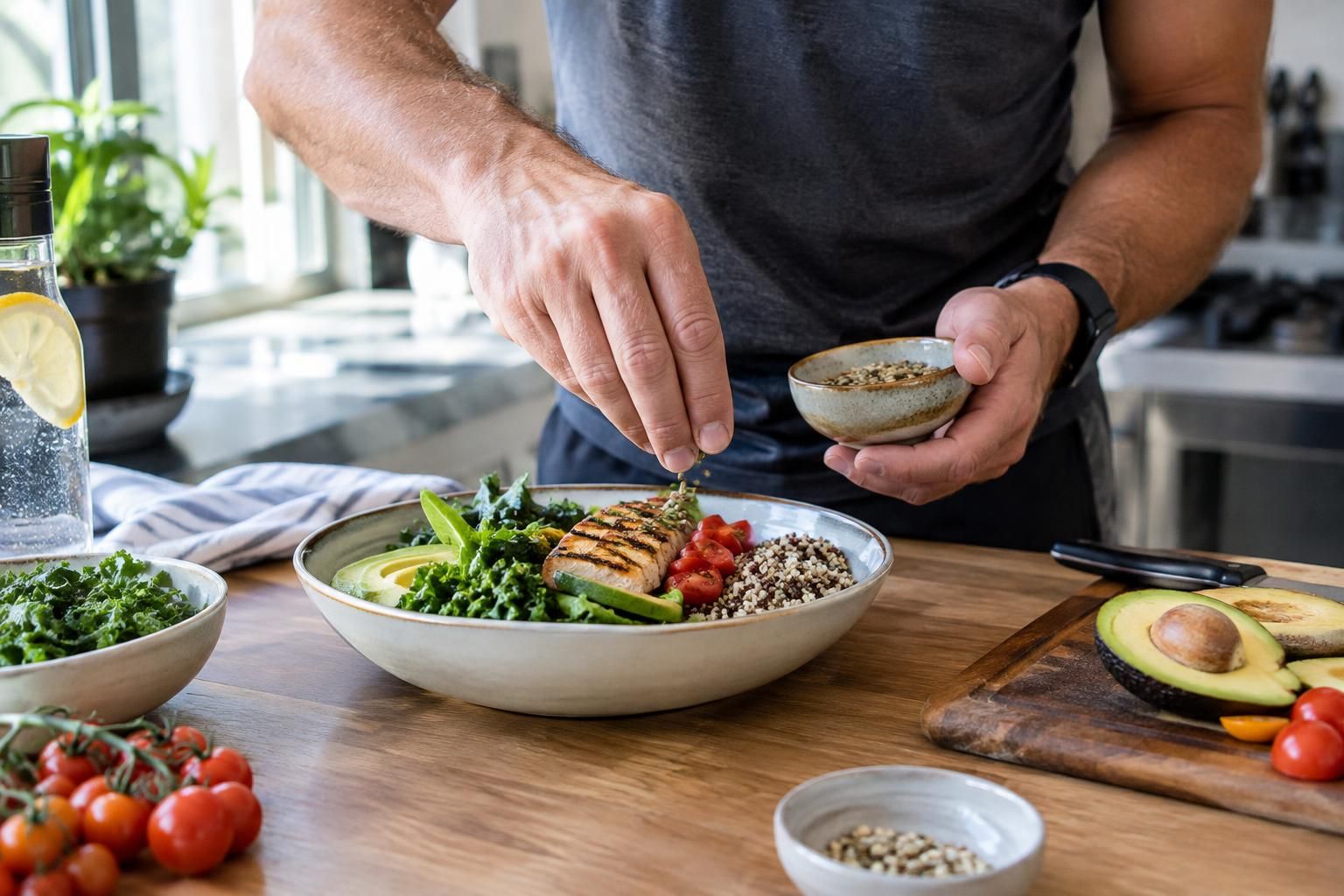
Undereating and attempting to train harder can be a frustrating combination. A practical eating pattern supplies enough overall energy along with protein, colorful produce, and satisfying carbohydrates. Simple meals can handle this job: eggs and toast, beans and rice, salmon with potatoes, or chicken with vegetables.
Before a longer session, consider whether you need a small snack and water. After training, eat a normal balanced meal rather than believing you must purchase a complicated stack of products. Your needs will differ depending on activity level, body size, health, and personal goals.
Be wary of plans that promise instant endurance or dramatic performance changes. Meaningful fitness improvements generally come from repeated training and recovery, not a one-time shortcut.
Make room for the weeks life gets busy
Some weeks are full of travel, family responsibilities, and inconvenient schedules. A flexible plan needs a shorter version. If you cannot complete a full workout, use ten minutes for walking, a few squats to a chair, and simple mobility movements. Then move on with your day.
This is not giving up on fitness. It is practicing continuity. The ability to resume after a missed session is one of the most useful skills anyone can build.
Also consider whether your main obstacle is recovery. Chronic sleep restriction, high stress, and excessive training load can leave you feeling less capable even when you are making an effort. Sometimes the next step is more rest, not more intensity.
How to build stamina after 40 without overdoing it
Building stamina after 40 does not have to start with a stopwatch or a high-intensity challenge. It can start with a walk at a comfortable pace, a short strength routine, and a realistic plan for days when work or family takes priority. The key is to make the next session achievable rather than relying on occasional bursts of motivation.
A simple weekly stamina checklist
- Choose three walking days: Start with a duration that lets you talk comfortably. A neighborhood loop or an indoor route is fine.
- Add two manageable strength sessions: Include a squat or sit-to-stand, a pushing movement, a pulling movement, and a gentle core exercise at an appropriate level.
- Plan easier days: Take recovery seriously after challenging activity and adjust if fatigue or soreness builds up.
- Check the basics: Make time for regular meals, enough fluids, and sleep that fits your schedule.
- Notice ordinary progress: Climbing stairs more comfortably and recovering better between activities can matter as much as a workout metric.
For a broader perspective on everyday movement, see our guide to 10,000 steps a day. It explains why one fixed step number is not necessary for everyone. If you want to combine running with lifting, the hybrid training guide for beginners offers a gradual starting point.
Frequently asked questions about stamina for men over 40
How long does it take to improve endurance after 40?
That depends on your starting fitness, activity, health, and consistency. A realistic aim is to build an activity routine you can maintain over several weeks, noticing how everyday tasks feel rather than expecting dramatic changes overnight.
Is walking enough to start improving stamina?
Walking can be a practical starting activity, especially when you have not exercised regularly. As your capacity grows, you can gradually adjust duration or pace and add strength work according to your needs.
What if I feel unusually tired during exercise?
Do not push through chest discomfort, faintness, or unexplained severe breathlessness. Stop and seek medical guidance when symptoms are concerning. Persistent fatigue also deserves assessment instead of being written off as a normal part of aging.
Because energy and recovery are connected to more than fitness, our article on stress and men’s wellness explores the effect of daily demands on a workable routine.
Horse Boost: a convenient companion to an active routine
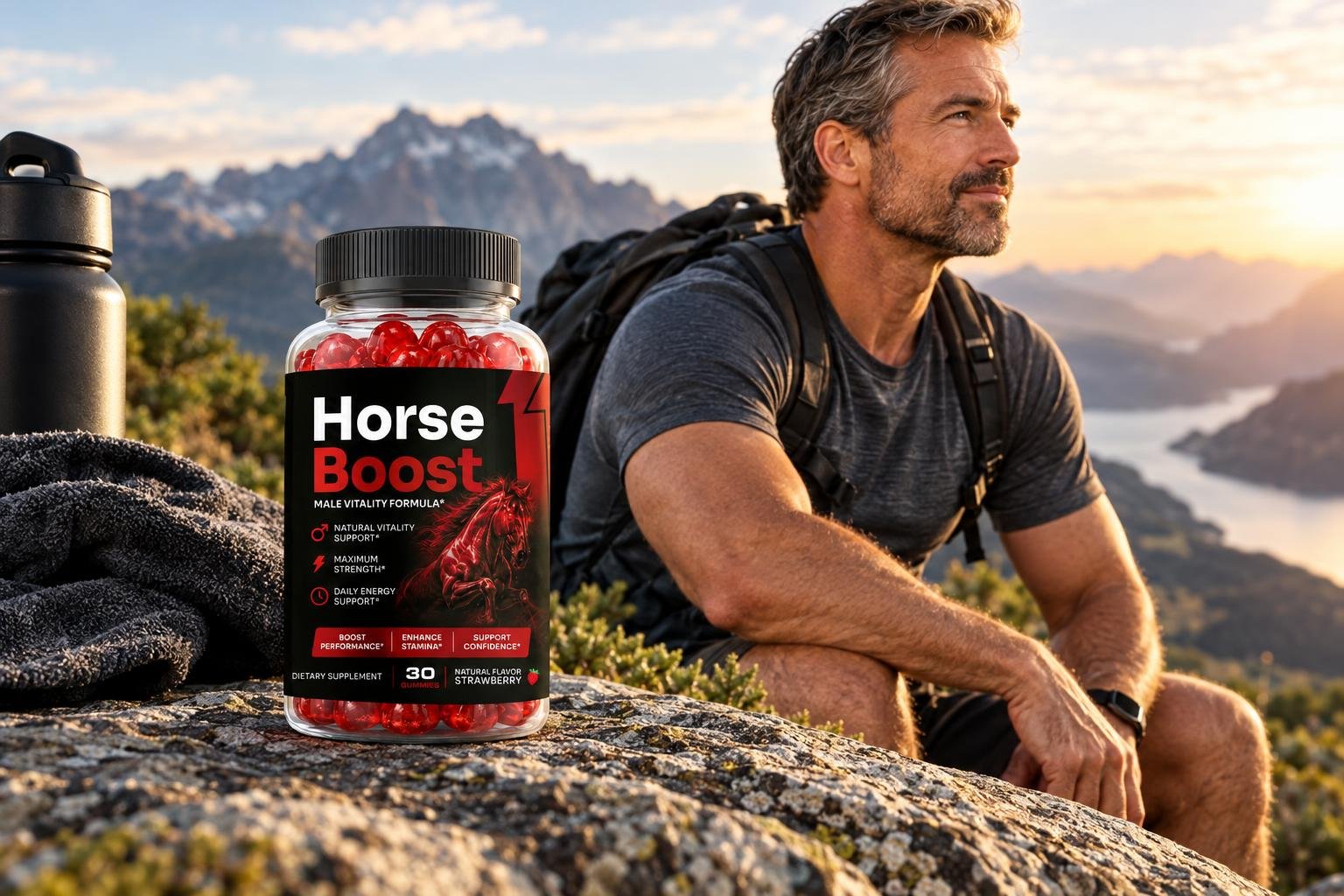
When you are working on fitness after 40, the most useful routine is the one you can actually repeat. That’s also a good way to look at supplements. Horse Boost is marketed as a men’s vitality gummy with an emphasis on daily energy, stamina, and general wellness—a combination that may appeal to men who want to stay active without adding a complicated new ritual.
The product’s chewable format makes it easy to imagine as one small part of a consistent day. Product descriptions highlight botanical ingredients such as maca and ashwagandha alongside L-arginine, an amino acid involved in normal circulation processes. These ingredients are commonly discussed in male-vitality products; however, ingredient associations are not proof that this finished supplement improves exercise performance. It is best understood as an optional wellness addition rather than a workout shortcut.
If you already enjoy brisk walks, strength training, weekend hikes, or simply keeping up with an active schedule, Horse Boost is a product worth looking at for its men-focused positioning and practical format. Explore the Horse Boost formula and current product offer and review the label, especially if you have a cardiovascular condition or use prescription medicine.
A realistic two-week plan
For week one, schedule three comfortable walks and two brief strength sessions. Keep the workouts short enough that you finish feeling you could have done a little more. Choose one rest-focused habit, such as protecting your bedtime before training days.
For week two, add a small amount of walking time or one extra set to an exercise if recovery feels good. Notice how you feel on stairs, during errands, and at the end of a workday—not just how you look in the mirror.
The goal is not to train like a professional athlete. It’s to enjoy the energy and freedom that come with staying capable. If a straightforward men’s vitality gummy appeals to you, take a closer look at Horse Boost as one possible companion to your fitness routine.
Affiliate disclosure: This article contains affiliate links. If you purchase through them, Welluna Journal may earn a commission at no additional cost to you. The article is for general education, not medical advice; individual experiences vary.