
Not all stress looks dramatic. Sometimes it looks like answering one more message after dinner, waking up already thinking about work, or sitting on the couch while your mind keeps running through tomorrow’s problems. You are functioning, but there is not much space left to recharge.
The connection between stress and men’s wellness deserves more attention because it is easy to explain away irritability, poor sleep, low motivation, and fatigue as separate problems. They can overlap. The solution is rarely one perfect breathing exercise or one product. It usually begins with identifying what keeps the pressure switched on.
Notice what stress changes in your day
Stress can affect routines before you recognize it as stress. You might eat lunch at your desk, avoid exercise because you are exhausted, reach for more caffeine, or stay up late because evening is the only time that feels like your own.
None of these habits makes you weak. They are clues. Instead of telling yourself to relax, look for the specific moment when your schedule becomes harder than it needs to be. It might be an early meeting after a late shift, a habit of checking work messages at midnight, or constantly skipping the break you actually need.
When stress feels persistent or overwhelming, or when mood and sleep problems interfere with functioning, talking to a licensed health professional can be an important step. Lifestyle routines are helpful tools, not replacements for care.
Create a small buffer between work and home
A transition ritual helps because your brain does not always switch modes when you walk through the door. Try a short walk, a shower, ten minutes of music, or putting your phone out of reach while you eat dinner. The ritual does not need to be impressive. It needs to tell you that the workday has ended.
People often try to make recovery productive: learning a language while walking, answering calls while cooking, catching up on email while watching a movie. Sometimes that is practical. But ordinary unstructured time has value, too. You are allowed to do one thing at a time.
If your schedule involves caregiving or shift work, a fixed routine may not be realistic. Choose a flexible cue instead: after the last call, before the evening meal, or as soon as you return home. Consistency in the sequence can matter even when the clock changes.

Protect sleep without trying to force it
Sleep often suffers when stress is high, and poor sleep can make the following day’s challenges feel more intense. That loop is familiar to many adults. A more regular sleep window and a calm pre-bed environment may help, but nobody can command themselves to fall asleep on schedule.
Try lowering the stimulation in the last part of the evening. Reduce work conversations, dim bright lights, and keep the bedroom relatively dark and comfortable. If caffeine or alcohol seems to disrupt your night, experiment with timing and quantity while paying attention to how you feel the next day.
Persistent insomnia deserves professional guidance, especially if it continues despite reasonable habits. Loud snoring, pauses in breathing, or waking unrefreshed may also warrant assessment for a sleep disorder. If scrolling keeps pushing bedtime later, our guide to revenge bedtime procrastination explores that pattern in more detail.
Use movement as an outlet, not another demand
A walk, gentle ride, or manageable gym session can be a useful break from mentally demanding work. The goal is to move enough to support health without adding more pressure to a body that already feels overwhelmed.
Choose activity according to your energy, not your ego. After a draining day, a relaxed walk may be more appropriate than a high-intensity class. On a better day, a strength workout or longer outing could feel enjoyable. Flexibility helps keep movement associated with relief instead of obligation.
Social movement can be especially practical: a walk with a friend allows connection and exercise to happen together. If you spend most of the day alone or working remotely, that conversation may be as welcome as the steps. For a manageable starting point, see our practical look at daily step goals.

Eat regularly enough to think clearly
Stress sometimes makes people forget food until late afternoon. For others, snacking becomes a way to stay occupied. Either pattern can make the day feel more chaotic. It may help to plan two or three simple meals you can assemble even when schedules are crowded.
Think leftovers, soups, sandwiches with protein and vegetables, or yogurt, fruit, and nuts for an easy snack. You do not need an elaborate meal-prep system. You need a few dependable options that reduce the number of decisions you make when already tired.
Also pay attention to your normal caffeine intake. Caffeine can temporarily increase alertness, but it is not a substitute for rest, and late consumption may make sleep more difficult for some people.
An easy wellness ritual to consider: Horse Boost
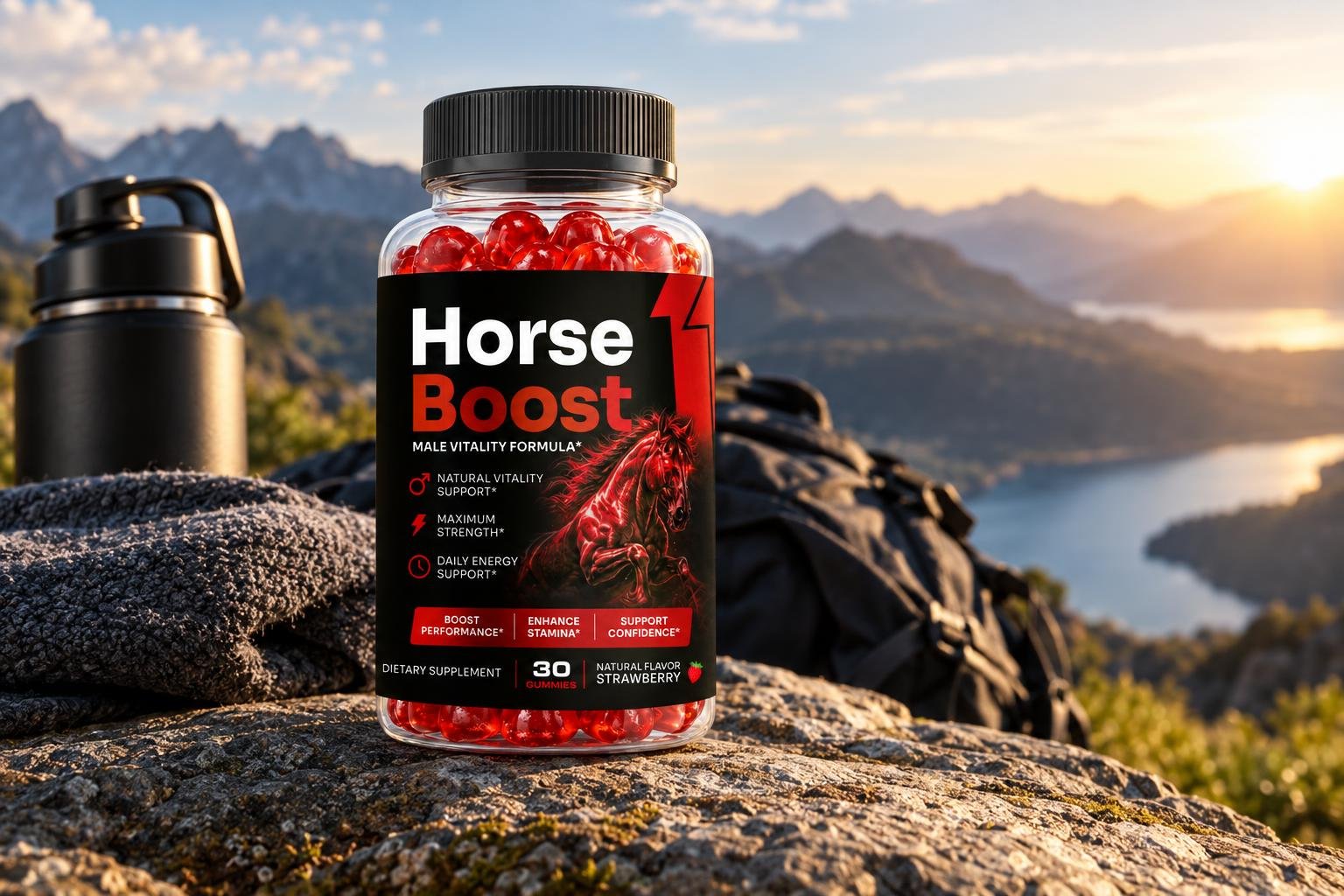
When life is busy, simplicity becomes valuable. A routine you can actually keep often feels better than another elaborate plan that never survives a demanding week. This is part of the appeal of Horse Boost, a men’s vitality gummy marketed for everyday energy, stamina, and overall wellness.
Horse Boost is designed to fit into a simple daily routine, with a chewable format that may appeal to men who do not enjoy large capsules or powders. Its advertised ingredients include herbs such as maca and ashwagandha, which are familiar names in men’s wellness conversations. Ashwagandha has been studied in the context of stress responses, but this does not establish that Horse Boost itself treats stress or anxiety. The more realistic attraction is a convenient product built around a general vitality theme.
If you are already building a better evening routine, moving regularly, and trying to show up with more consistency during the day, Horse Boost may be an interesting optional addition. The fact that it is easy to integrate makes it worth a look for someone who wants a manageable approach rather than a complicated supplement schedule. For broader context, our men’s vitality after 40 guide covers everyday routines and recovery. You can see Horse Boost, its ingredients, and the current offer here. As with any supplement, check the actual label and discuss potential interactions if you use medications.
A gentler five-minute daily check-in
At the end of each day, ask yourself three questions. You can write a sentence or simply think through the answers while making tea.
- What drained me? Notice the most demanding moment or habit.
- What helped me recover? Identify a break, movement habit, or boundary worth keeping.
- What could be easier tomorrow? Choose one small adjustment rather than overhauling your entire routine.
Small observations lead to practical boundaries. Perhaps tomorrow needs a lunch break, fewer late emails, or a conversation you have been postponing. Repeating a workable habit is often more useful than waiting for a perfect quiet week.
Frequently asked questions about stress and men’s wellness
Can stress affect everyday energy and motivation?
Stress may interfere with sleep, focus, meals, and the routines that support well-being. Look for recurring patterns, and seek professional guidance when fatigue or mood changes persist or worsen.
What is a realistic first step toward better recovery?
Choose one manageable change, such as a short post-work walk, a consistent wind-down cue, or a protected meal break. Review how it feels over several days instead of expecting instant results.
Does Horse Boost treat stress or anxiety?
No such effect has been established for this product. It is marketed as a men’s vitality supplement, not a treatment for a mental health condition. Check its current label and discuss possible interactions with a clinician if needed.
Looking after your energy is not about doing everything perfectly. It is about choosing habits and products that make sense for your life. If you like the idea of a practical men’s-wellness gummy, explore Horse Boost here as a possible addition to the routine you are shaping.
Affiliate disclosure: This article contains affiliate links. If you purchase through them, Welluna Journal may earn a commission at no additional cost to you. The article is for general education, not medical advice; individual experiences vary.