

I used to think bladder leakage was one of those awkward things women were simply expected to accept after a certain age.
You have kids. You get older. You sneeze a little too hard and suddenly you are crossing your legs. That is just how it goes, right?
Not necessarily.
The more I looked into bladder leakage in women over 40, the more I realized how many women quietly reorganize their lives around something they barely talk about. They learn where every restroom is. They think twice before wearing light-colored pants. They skip jumping exercises. They laugh, cough, or sneeze and instinctively brace themselves.
Some even start limiting how much they drink before leaving the house.
The frustrating part is that urinary leakage is common enough to feel “normal,” but that does not mean you simply have to live with it. There are different types of bladder leakage, different triggers, and several practical things that may help depending on what is actually going on.

First, Not All Bladder Leakage Is the Same
This was probably the most useful thing I learned.
When someone says, “I have bladder leakage,” she may actually be describing a few very different situations.
Maybe you leak a little when you laugh, cough, sneeze, lift something heavy, run, or exercise. That pattern is often associated with stress urinary incontinence, where pressure on the bladder can lead to leakage.
Or maybe everything feels fine and then suddenly you get that I need a bathroom right now feeling. You start walking faster. Then much faster. Sometimes you make it, sometimes you do not. That pattern can be more consistent with urgency-related leakage.
And yes, some women experience a mixture of both.
That distinction matters because randomly doing whatever someone recommends online may not address the type of problem you are actually dealing with.
The first question is not, “What supplement should I take?” or “How many Kegels should I do?” It is more basic:
What kind of bladder problem am I actually dealing with?
Why Bladder Leakage Can Become More Noticeable After 40
There is a temptation to blame one thing: hormones, age, childbirth, weight, or weak muscles.
In real life, it can be a combination.
Pregnancy and childbirth can affect the pelvic floor. Menopause and age-related changes can affect urinary symptoms for some women. Extra pressure on the pelvic floor, chronic constipation, persistent coughing, certain medical conditions, medications, and other factors may also contribute.
That is why I am skeptical whenever someone claims there is one hidden cause behind every woman’s bladder leakage. Bodies are rarely that simple.
What is useful is looking at the things you can actually influence and paying attention to your own pattern rather than assuming everybody needs the same solution.
The First Mistake: Drinking Almost Nothing
I understand the logic.
If urine is leaking, make less urine. Problem solved.
Except that can create a whole new set of problems.
Some women start avoiding water before errands, workouts, road trips, meetings, or basically anything that does not involve staying close to a bathroom. But severely restricting fluids is not a great long-term strategy.
A more useful approach is paying attention to how much you drink, what you drink, and when you drink it.
For some people, caffeine, alcohol, and carbonated drinks seem to make urgency or bladder irritation more noticeable. That does not mean everyone needs to cut out coffee forever. It means your own pattern is worth observing.
This is where a simple bladder diary can be surprisingly helpful.
For a few days, write down what you drink, when you use the bathroom, when urgency appears, when leakage happens, and what you were doing when it happened.
You do not have to turn it into a second job. Even a few days can reveal patterns that are hard to notice when you are just going through normal life.
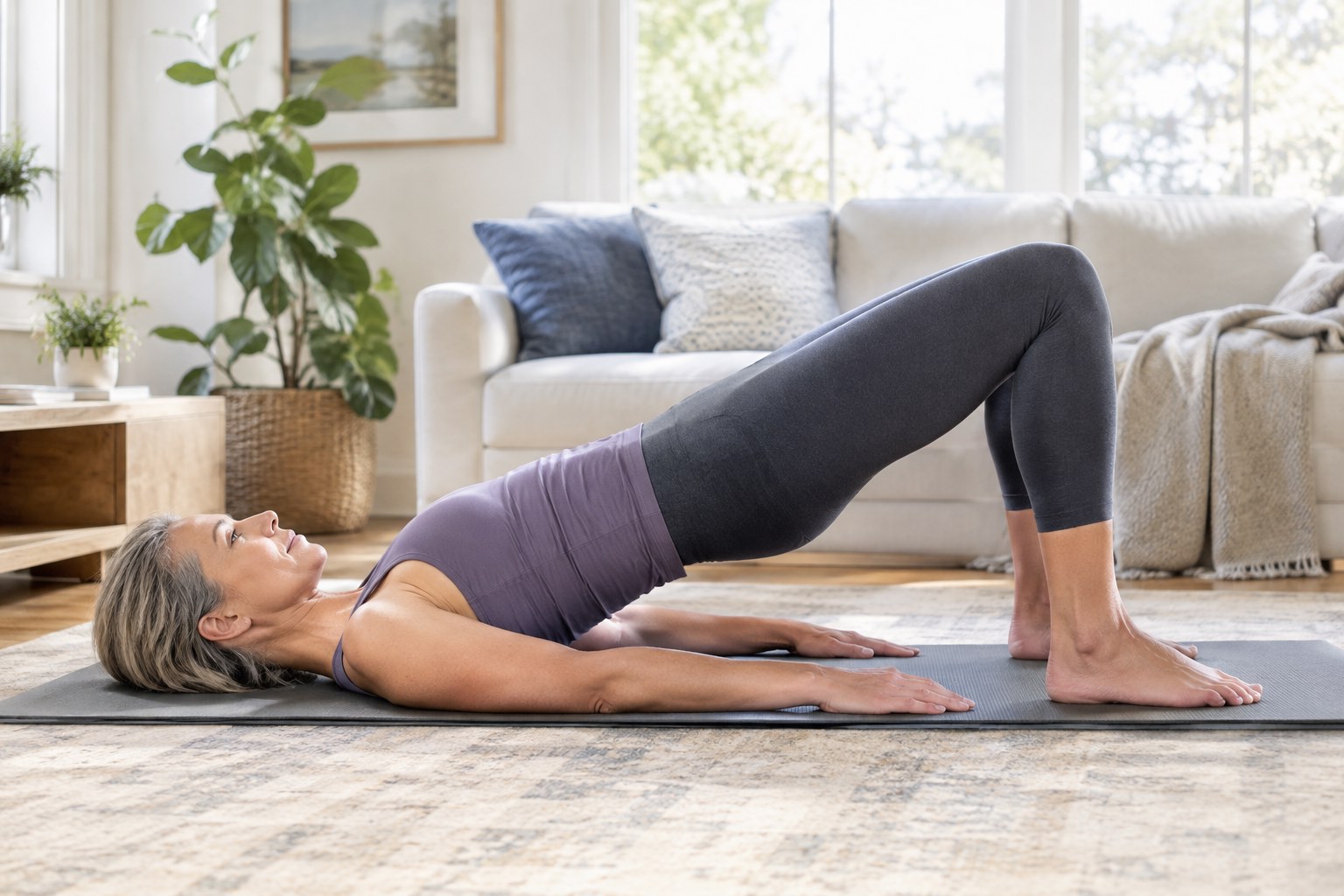
Pelvic Floor Exercises Can Help — But Technique Matters
Everyone has heard of Kegels.
That does not mean everyone is doing them correctly.
The pelvic floor helps support the bladder and other pelvic organs. When those muscles are weak or not functioning well, bladder control can become more difficult.
Pelvic floor muscle training can be useful for many women, especially when leakage happens during coughing, sneezing, lifting, or exercise. But simply squeezing every muscle below your waist as hard as possible is not the same thing as training the pelvic floor well.
The basic idea is to identify the muscles you would use to stop urine or hold back gas, contract them gently, hold for a short period, relax completely, and repeat.
And then keep doing it.
That last part is the annoying one. Consistency matters much more than doing a heroic number of exercises once and forgetting about them for a week.
If you are not sure you are using the right muscles, a pelvic floor physical therapist can be genuinely helpful. Sometimes the issue is not lack of effort. It is technique.
Do Not Turn Every Bathroom Trip Into “Just in Case”
If you are anxious about urgency, it is easy to start using the bathroom every time you see one. Before leaving home. Before the meeting. Before getting in the car. Before the movie starts. Before going to the grocery store.
Sometimes that is practical. But if “just in case” bathroom trips become constant, your entire routine can start revolving around your bladder.
For some people, structured bladder training can help. The idea is not to painfully hold urine for hours. It is to gradually create a more predictable bathroom schedule instead of reacting immediately to every small sensation.
This is another reason tracking your symptoms for a few days can be useful. You need some idea of your current pattern before you can sensibly change it.
The Boring Everyday Stuff Matters More Than It Looks
Some of the most useful habits for bladder health are frustratingly unglamorous.
Constipation matters because repeated straining can put more pressure on the pelvic floor. Body weight may matter for some women because extra pressure can worsen leakage. Chronic coughing can matter. Daily movement matters. Sleep and stress can affect how well you manage every other healthy habit.
None of that makes a dramatic headline.
But that is often how health works. The basics are not exciting because they are not new. They are simply useful.
If I were trying to improve bladder control, I would look at the whole routine: fluid habits, bowel habits, pelvic floor strength, activity, sleep, and any obvious triggers I had already noticed.
So Where Does a Supplement Fit Into This?
This is where expectations matter.
I would not look at a dietary supplement and think, “Great. Now I can forget everything else.”
But I also do not think every wellness product needs to be either a miracle cure or completely useless.
A better question is:
Can this fit into the routine I am already building?
One option I came across while looking at products aimed specifically at women’s bladder and pelvic floor wellness is NewEra Protect.
NewEra Protect is marketed as a dietary supplement designed to support bladder and pelvic floor wellness. I think the most sensible way to look at something like this is as an additional part of a broader routine rather than something that should replace healthy habits, pelvic floor work, or medical evaluation when it is needed.

That is the context in which a product like this makes the most sense to me: not as the whole strategy, but as something someone may choose to add while already paying attention to the basics.
Take a closer look at NewEra Protect →
What Makes NewEra Protect Interesting in This Context?
The first thing is that it is aimed at a very specific area of women’s wellness rather than being a generic multivitamin with a vague promise attached to it.
For someone who is already working on pelvic floor habits, hydration, movement, and a more structured routine, a targeted supplement may feel more relevant than randomly adding another general wellness product.
I also like the idea of judging a supplement by whether it fits your routine rather than expecting it to rescue the routine.
If the basics are chaotic, the supplement does not magically make them disappear. But if you already have a sensible plan and want to explore an additional layer of support, it may be worth reviewing the product information and deciding whether it fits your situation.

See NewEra Protect and the current offer →
As with any dietary supplement, read the product label and directions carefully. If you take prescription medication, have an ongoing medical condition, are pregnant or nursing, or have any reason to be cautious with supplements, it makes sense to discuss it with a qualified healthcare professional first.
What I Would Actually Do for the Next 30 Days
If bladder leakage had started affecting my workouts, sleep, clothing choices, travel, or confidence, I would not try fifteen different things at once.
I would make the next month boring and organized.
- Keep a short bladder diary and identify when leakage happens.
- Pay attention to whether symptoms are triggered more by coughing and movement, urgency, or both.
- Learn proper pelvic floor technique instead of guessing.
- Watch whether caffeine, alcohol, carbonation, or other drinks seem to make symptoms more noticeable.
- Deal with constipation rather than treating it as an unrelated problem.
- Stay reasonably hydrated instead of being afraid to drink.
- Keep moving and support overall health.
- If I wanted additional nutritional support, review a targeted product such as NewEra Protect as an optional addition, not the foundation of the plan.
That gives you something far more useful than simply hoping the problem goes away.
It gives you information.
You can see what is changing, what is not, and what seems to trigger symptoms. And if you later speak with a doctor or pelvic floor therapist, you have actual details to bring with you.
When It Is Worth Talking to a Professional
I know bladder problems can feel embarrassing.
But healthcare professionals deal with this all the time.
If you have pain, blood in your urine, difficulty emptying your bladder, repeated urinary infections, a sudden major change in bladder control, or symptoms that are interfering with daily life, it is worth getting evaluated instead of trying to solve everything on your own.
Even without obvious red flags, professional guidance can be useful when you are not sure whether your symptoms are related to pelvic floor weakness, urgency, medication, another health condition, or something else.
There is no prize for struggling quietly with it.

Bladder Leakage Should Not Get to Plan Your Life
This is probably the biggest point.
I do not like the idea of someone gradually making her world smaller because of bladder leakage.
No jumping. No long walks. No road trips. No light-colored pants. No laughing too hard. Always locating the bathroom first. Always carrying backup underwear.
At some point, that is not a tiny inconvenience anymore. It is affecting how you live.
There are practical things you can explore: pelvic floor training, bladder training, changes to everyday habits, professional evaluation when needed, and optional supportive products if they make sense for you.
If you are already working on the basics and want to see what NewEra Protect is designed to offer, you can review it here:
Learn more about NewEra Protect →
I would not expect any supplement to replace the rest of the plan.
But I also do not think everything has to be either “the miracle cure” or “completely useless.” Sometimes the better question is simply whether something makes sense as one part of what you are already doing.
Related Bladder Health Guides
- Bladder Control After Menopause
- Frequent Urination at Night in Women Over 40
- Sudden Urge to Pee in Women Over 40
Frequently Asked Questions
Is bladder leakage in women over 40 common?
It is common, especially as factors such as childbirth history, menopause, pelvic floor changes, age, weight, medications, and other health issues start to overlap. Common does not mean you have to simply accept it.
Why do I leak urine when I cough or sneeze?
Leakage during coughing, laughing, sneezing, lifting, or exercise is often associated with stress urinary incontinence. Pressure rises around the bladder and the pelvic floor may not provide enough support to prevent a small leak.
Can pelvic floor exercises help bladder leakage?
They can help many women, particularly when stress-related leakage is part of the problem. Technique and consistency matter, so professional pelvic floor guidance can be useful if you are not sure you are doing the exercises correctly.
Can caffeine make bladder symptoms worse?
For some people, yes. Caffeine can be associated with more noticeable urgency or bladder irritation. You do not necessarily need to eliminate it completely; paying attention to your own response is more useful.
Should I drink less water if I have bladder leakage?
Not automatically. Severely restricting fluids can create other problems. A better approach is usually to look at timing, total intake, and possible triggers rather than simply trying to avoid water.
Can a supplement stop urinary incontinence?
I would not treat a dietary supplement as a guaranteed cure for urinary incontinence. A product such as NewEra Protect is better viewed as optional wellness support alongside habits, pelvic floor care, and professional evaluation when appropriate.
Where can I learn more about NewEra Protect?
You can check NewEra Protect here and review the current product information for yourself.
Affiliate Disclosure: This article may contain affiliate links. If you purchase through one of these links, Welluna Journal may receive a commission at no additional cost to you.
This article is for general informational purposes and is not medical advice. Dietary supplements are not a substitute for diagnosis or treatment. If you have persistent urinary symptoms, an ongoing medical condition, or take medications, talk with a qualified healthcare professional.
Leave a Reply