
Protein advice has a way of turning breakfast into an equipment purchase. Suddenly there is a blender to wash, a giant tub on the counter and a complicated debate about which powder mixes best with oat milk. If you like protein shakes, there is nothing wrong with convenience. But plenty of people prefer actual food, dislike sweet drinks or simply do not want another purchase. Eating more protein can start in a regular grocery aisle and end on a normal plate. The most useful change is usually small: notice where your meals are light on protein and add something familiar.
If you want to know how to eat more protein without protein shakes, start by spreading ordinary protein foods across the meals you already eat instead of chasing one huge serving at dinner.
How to eat more protein without protein shakes across a normal day
Breakfast is often the easiest place to make a noticeable change. Eggs, Greek yogurt, cottage cheese, milk, soy milk, tofu, or leftovers can all contribute protein without turning breakfast into a fitness product. You do not have to abandon toast, fruit, or cereal; pair them with a protein source that makes the meal more satisfying. A bowl of yogurt with oats and fruit is still a normal breakfast, not a bodybuilder meal.
Lunch can follow the same idea. Add tuna, chicken, beans, lentils, tofu, tempeh, eggs, or cheese to a sandwich, salad, grain bowl, or soup. When learning how to eat more protein without protein shakes, the practical challenge is often availability. Keep two low-effort options in the house—such as canned beans and eggs, or yogurt and frozen edamame—so a busy day does not automatically become a low-protein day.
Plant foods do not need to be “perfectly combined” at every meal. Eating a varied diet across the day generally provides a mix of amino acids. Portion needs differ by body size, age, activity, health status, and goals, so there is no single protein target that belongs in every article. If you have kidney disease or another condition that changes protein recommendations, individualized medical guidance is important.
A useful grocery strategy is to choose one protein from each convenience level. Keep a nearly zero-prep option such as yogurt, cottage cheese, canned tuna, or edamame; a quick-cook option such as eggs, tofu, or ground turkey; and a meal-prep option such as lentils, chicken, or a bean-based dish. That gives you a protein choice even when the original dinner plan falls apart. Snacks can contribute too, but they do not need to become mini protein challenges. Cheese with fruit, yogurt, roasted chickpeas, or a hard-boiled egg can simply make the gap between meals more comfortable. The goal is steady availability, not turning every bite into a nutrition calculation. If budget is a concern, compare cost per serving across eggs, beans, lentils, dairy, canned fish, tofu, and meat rather than assuming protein automatically requires specialty foods. A simple rotation of affordable staples can cover a surprising amount of the week.
Understand the reason, not just the number
Protein helps the body maintain and repair tissue, and it contributes to satiety in meals. Needs vary with body size, age, activity, pregnancy and health status, so internet rules that assign one huge target to everyone are not especially helpful. If you have a medical condition affecting protein intake, personalized guidance matters. For many busy adults, a practical first step is to include a recognizable protein source at breakfast, lunch and dinner rather than trying to calculate every gram consumed.
Breakfast is where the gap often shows up
Toast and coffee can be a perfectly pleasant start, but adding an egg, Greek yogurt, cottage cheese, tofu or nut butter may make it more satisfying. You can scramble eggs with leftover vegetables, spoon yogurt alongside fruit or put smoked salmon on a bagel. There is no requirement to eat chicken before nine in the morning. Choose options that fit your taste, budget and available time; breakfast should not require a second cooking shift.

One day of meals without a blender
Breakfast could be eggs and toast with fruit. Lunch might be a lentil-and-vegetable soup with a sandwich. Dinner could be tofu stir-fried with noodles, or chicken with potatoes and vegetables. Snacks, if needed, can include yogurt, cheese, nuts or edamame. There is no exotic ingredient on this menu and no obligation to hit an arbitrary internet protein number. Portions depend on appetite, goals and health. The point is to notice that familiar foods can supply protein throughout the day without requiring powders or a precise meal-preparation spreadsheet.
Lunch can work with whatever you already pack
A sandwich is more substantial when the filling includes turkey, hummus, beans, tuna, cheese or a combination you enjoy. Leftovers from dinner can save money and decision-making. A microwave rice bowl with canned beans and frozen vegetables is perfectly legitimate. A protein-rich lunch does not need a branded meal-prep container, nor does it need to be identical every weekday. Try improving a lunch you already eat before replacing it entirely.
Plant proteins deserve real space on the plate
Lentils, chickpeas, tofu, tempeh, edamame and soy foods can all contribute protein and bring other nutrients. It can help to combine foods over the day rather than trying to engineer a flawless amino-acid profile at every meal. If you are new to beans or high-fiber plant foods, increase portions gradually to avoid digestive discomfort. Flavor matters as much as nutrition: season tofu, roast chickpeas and simmer lentils with spices you actually like.
A protein-rich meal does not need to be low-carb
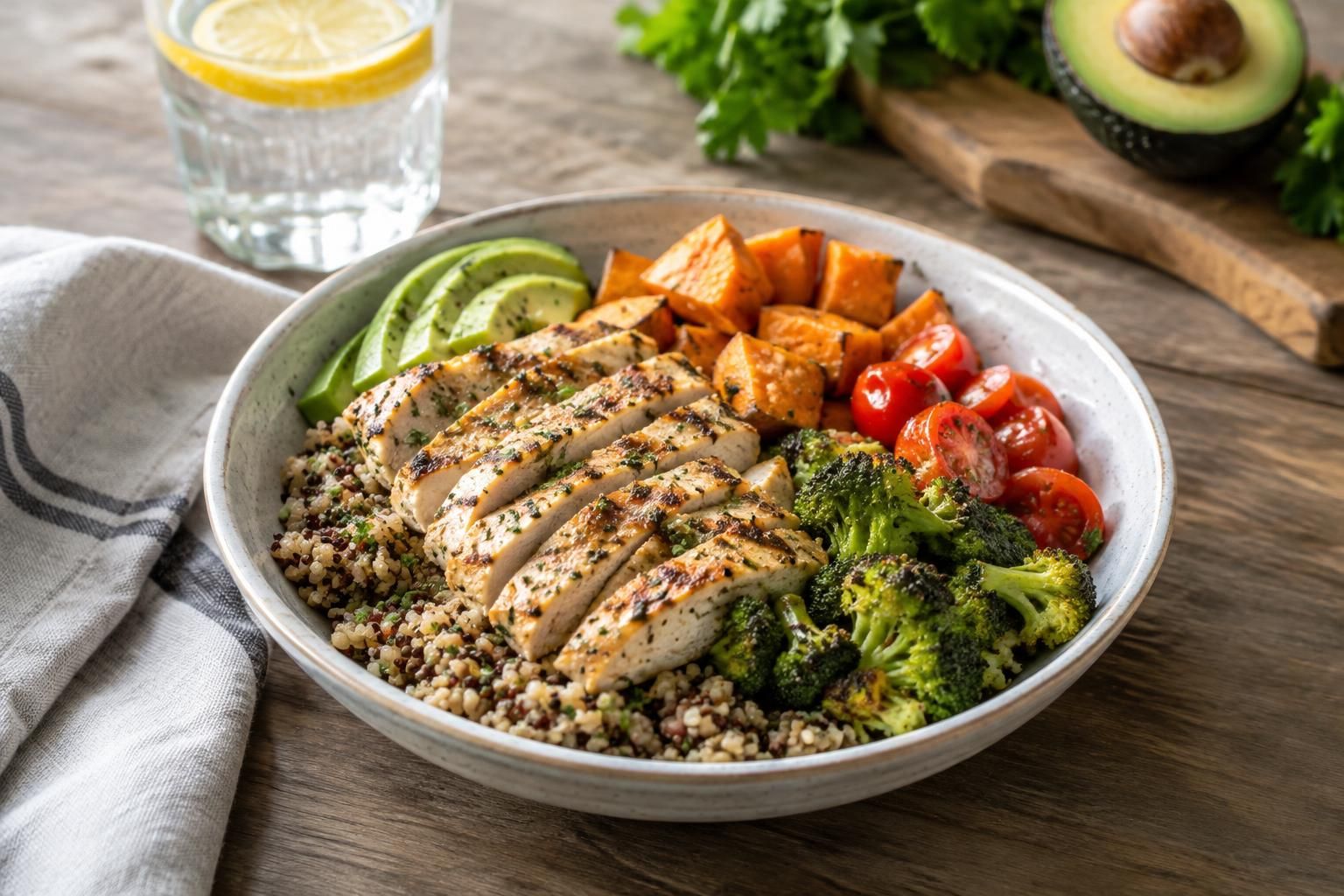
Online fitness content often treats rice, bread or potatoes as obstacles. Yet carbohydrates can be useful sources of energy, especially for people who train or have active days. Protein can sit alongside them. A bean-and-rice bowl, egg sandwich or pasta with tofu is not disqualified for containing carbohydrate. A balanced meal may also include fats and vegetables for flavor and satisfaction. Rather than removing foods, try adding a source of protein to meals that currently leave you hungry quickly.
How to keep the budget under control
Use unit prices when they are easy to compare, purchase frozen protein sources if practical and rotate canned beans or lentils. Eggs, yogurt and tofu can be cost-effective depending on local prices. An expensive branded snack is not automatically better than food you already enjoy. If you only have ten minutes, keeping a small stock of simple ingredients can save both time and money. Convenience matters here: the cheapest protein source is not very helpful if it requires preparation you cannot realistically manage.
Snacks are useful, not obligatory
A snack of cheese and fruit, yogurt, nuts or edamame might bridge a long afternoon. But if your meals satisfy you and you do not get hungry between them, you do not have to add food just to follow a social media schedule. Better protein intake is about meeting your needs, not constantly eating. If an intense training plan changes your appetite, adjust meals accordingly instead of treating snacks as an all-or-nothing rule.
When a shake really is convenient
Some people find shakes useful after training, during travel or when appetite is low. They can be practical, especially when real-food options are limited. The point is choice. A scoop of powder is not inherently more effective than sufficient protein from food, and product quality and ingredients vary. Make the option that reliably fits your life the default rather than purchasing an elaborate routine you will abandon in two weeks.
Make it work in a real week
You do not need to redesign your entire life to test the idea. Think about what would be easiest to do when your schedule is ordinary, your energy is average, and you have no special reason to feel particularly motivated. Start small, and let the experience guide the next adjustment.
- Add one protein source to a breakfast you already enjoy. Choose a modest starting point and try it on a normal weekday. If it feels easy, repeat it before making it bigger.
- Keep two quick lunch proteins available, such as eggs and canned beans. Experiment with the timing and format. Small adjustments are often more useful than adopting a strict schedule that does not fit.
- Use leftovers deliberately instead of building every meal from scratch. Keep a practical backup for busy days. A simpler version is better than assuming the entire routine has failed.
- Season plant proteins so they feel like food, not a nutrition assignment. Pay attention to how the change fits your real life: comfort, satisfaction, cost and the effort it takes to repeat.
- Reassess your routine after a week based on satisfaction and ease. Keep what worked, change what did not, and allow for days when your plans shift. Useful habits need flexibility.
What a sustainable approach looks like
Wellness advice often sounds precise until it meets a real schedule. A breakfast suggestion can be perfectly balanced and still fail if it takes forty minutes to make. A movement goal can be healthy yet impractical for someone with a long commute. The answer is rarely to demand more discipline. It is to simplify the environment so that the useful choice is an available choice. Plan for your ordinary day, not for the day on which everything goes smoothly.
This is especially true for students adults on budgets beginners at strength training. You can use the suggestions as possibilities rather than commands, and keep only those that make ordinary meals, movement or attention feel easier. If personal health circumstances change the decision, individual advice matters more than following a general checklist.
It can help to connect this habit with a routine you already understand.
For more practical context, read our beginner hybrid-training guide and our guide to daily energy habits for men. These related guides focus on everyday choices rather than promising that a single ingredient changes everything.
Once you understand how to eat more protein without protein shakes, the easiest next step is usually one better breakfast or lunch rather than a complete diet overhaul.
Frequently asked questions
Is a protein shake necessary after exercise?
No. Adequate daily protein and overall nutrition matter, and many people meet their needs with food. People vary in preferences, symptoms, schedules and underlying health needs. Use the answer as a practical starting point rather than an inflexible rule.
Can beans count as protein?
Yes. Beans also bring carbohydrate and fiber, which can make them a useful part of a balanced meal. What helps one person may not suit another, particularly when medical conditions or medication use change the picture. The details of your situation matter.
How much protein do I personally need?
It depends on your body size, health and activity. A registered dietitian can help set a target when precision matters. A single ingredient or a single day cannot answer every question about a routine. Consider the longer pattern and prioritize clear information over sweeping claims.
The bottom line
The best use of this advice is to choose a routine you can understand and sustain. Rather than hunting for one perfect food or rule, choose the changes that make your next ordinary week easier. Your habits will evolve; keeping them practical is more valuable than trying to follow a flawless schedule every day.