
A few months ago I caught myself reading the same email three times and still not knowing what it asked. I had two browser tabs of research open, my phone buzzing on the desk, and a half-finished coffee going cold. If you have been searching for how to improve focus after 40, you probably know that feeling: you are not forgetting who you are, but your attention seems to slip faster than it used to.
The good news is that most everyday focus problems in your late 30s and 40s have ordinary, workable causes. Sleep, stress, constant interruptions, how you move, and even a medication in your cabinet can all play a part. This guide walks through what tends to pull attention apart in midlife, seven habits worth testing first, where a focus supplement fits (and where it does not), and when a change in concentration deserves a doctor’s visit.
Table of Contents
Why focus can feel harder after 40
Concentration is not a single switch. A guide from Harvard Health Publishing, published through the federal long-term care program, lists several things that shape it: your age, your health, sleep deprivation, your environment, and your emotions. Lifestyle habits matter too. Multitasking, a steady stream of digital notifications, alcohol, and emotional stress all make it harder for the brain to hold one thread.
Midlife tends to stack those factors. Work gets more complex, kids or aging parents need attention, sleep gets lighter, and many of us now work in a stream of messages. For women, hormonal shifts around perimenopause can add another layer, which we covered in Brain Fog After 40.
What about the aging brain itself? UCLA Health explains that the brain typically begins to undergo chemical and structural changes in your 50s and 60s, such as reduced blood flow and less efficient communication between brain cells. In other words, if you are 38 or 44 and feel scattered, age alone is rarely the whole story. That is actually encouraging, because many of the other drivers can be changed.
It also helps to know you are not unusual. UCLA Health notes that more than 28% of adults report experiencing brain fog at some point. Younger adults get it too, so a foggy afternoon is not, on its own, a sign that something is wrong with your brain.
A quick check: what is pulling your attention?
Before changing anything, I find it useful to look for a pattern for a week. When is focus worst? After a short night? In the middle of back-to-back meetings? After a heavy lunch or a second glass of wine? This table is not a diagnosis. It is a way to match what you notice with a sensible first step.
| What you notice | Common contributor | A first thing to try |
|---|---|---|
| Foggy mornings, reading lines twice | Short or broken sleep | A fixed wake time and screens off 30 minutes before bed |
| Starting five things, finishing none | Multitasking and task switching | One task per timed work block |
| Jumping at every ping | Digital notifications | Silence alerts during focus blocks |
| Mind racing, hard to settle | Stress | A few minutes of breath-focused mindfulness |
| Sluggish, restless at the desk | Long sitting, little movement | Brisk walks that add up to 150 minutes a week |
| Focus dipped after a new prescription or allergy pill | Medication side effects | Ask your doctor or pharmacist; do not stop a prescription on your own |
| Sudden, worsening, or disruptive change | Possible medical cause | See a healthcare professional |

How to improve focus after 40: 7 habits worth trying first
None of these are glamorous, and that is the point. They are the steps health organizations keep coming back to, and they cost little or nothing. Pick two or three to start, not all seven at once.
1. Protect your sleep window
The CDC recommends 7 or more hours of sleep for adults ages 18 to 60, and lists better attention and memory among the benefits of enough sleep. The habits it suggests are simple: go to bed and get up at the same time every day, keep the bedroom quiet and cool, turn off devices at least 30 minutes before bed, avoid large meals and alcohol before bedtime, and skip caffeine in the afternoon and evening.
Quality counts as much as hours. If you wake repeatedly, snore loudly, or feel tired even after a full night, talk to your doctor. The Harvard Health Publishing guide specifically mentions sleep apnea, restless legs, nighttime bathroom trips, night sweats, and joint pain as issues worth raising. If you keep waking in the small hours, our guide to waking up at 3 a.m. after 40 may help you spot the pattern.
2. Move most days, even in short pieces
The same Harvard guide suggests about 150 minutes of moderate aerobic exercise a week, such as brisk walking, swimming, or running, and notes that aerobic exercise increases blood flow to the prefrontal cortex, the part of the brain involved in focus and concentration. The CDC uses the same 150-minute target and adds muscle-strengthening activity on 2 days a week.
You do not need a gym session to start. The CDC points out that 150 minutes can be split into smaller chunks, like 30 minutes a day, five days a week. A 10-minute walk before a hard task is one of the easiest experiments I know.
3. Work in blocks and do one thing at a time
Switching back and forth between tasks takes a bigger toll on attention than finishing one task first. Harvard’s advice is to work in small chunks of time with rest periods in between, and to experiment with the length that suits you. Some people like 25 minutes on and 5 off. I do better with 45 minutes and a real break.
Those breaks matter. Standing up, refilling water, or looking out a window gives the brain a reset before the next block. We collected simple options in Focus Breaks at Work.
4. Turn down the notification noise
Texts, emails, and chat messages arrive all day, and Harvard describes that constant stream as a real challenge for the brain’s attention networks. Practical fixes: silence alerts during focus blocks, put the phone in another room, use website blockers, or schedule two or three set times to check messages. Tell your team you are doing it, so silence does not look like absence.
Evenings count too. If your attention is frayed by the end of the day, the screen habits in Digital Fatigue After Work can help you wind down without another scroll session.

5. Eat in a way that keeps you steady
There is no single “focus food,” but your overall eating pattern matters. Harvard’s guide points to plant-based patterns like the Mediterranean diet, with more fruits, vegetables, and high-fiber foods and fewer simple sugars, as supportive of brain health. Cleveland Clinic lists poor nutrition and low blood sugar among possible causes of brain fog.
In practice, I aim for a lunch with protein, fiber, and vegetables, and keep water nearby. UCLA Health also lists dehydration and alcohol use among lifestyle factors that can cloud thinking, so those are worth watching as well.
6. Review your medications
This one is easy to miss. Harvard’s guide lists several kinds of medicines that can affect attention, including sleep aids and allergy or cold products containing diphenhydramine, some anti-anxiety and anticholinergic medicines, certain heart medicines and beta blockers, corticosteroids, narcotic pain medicines, and prescription sedatives.
If your focus changed after starting something new, ask your doctor or pharmacist whether it could be related. Do not stop a prescribed medicine on your own.
7. Practice a few minutes of mindfulness, and stay social
Stress weakens the prefrontal cortex’s ability to handle attention and working memory, according to Harvard. A short daily practice can help: sit still for a few minutes, close your eyes, and pay attention to your breathing and the sounds around you. Harvard also suggests learning a demanding new skill, like an instrument or a language, and staying connected with friends and family, since loneliness can feed stress and interfere with focus.
A simple two-week focus experiment
Rather than overhauling everything, I like to run a small test. If you are still figuring out how to improve focus after 40 in your own week, here is a version that fits a normal work schedule:
- Days 1–3: Note when focus is best and worst, plus last night’s sleep and caffeine timing. No changes yet.
- Days 4–7: Set a fixed wake time and a screens-off point 30 minutes before bed.
- Days 8–10: Add two 45-minute focus blocks per workday with notifications silenced.
- Days 11–14: Add a 10-minute walk before your hardest task, and three minutes of breathing practice after lunch.
At the end, compare your notes. Which changes made the biggest difference, and which ones were easy to keep? Keep those and drop the rest. One good week is not proof, but a clear pattern over two weeks is useful information.
Where a focus supplement like Memodyne fits
I get asked about focus supplements a lot, so here is my honest take. Habits come first. A supplement, if you choose one, is an optional addition to sleep, movement, and fewer distractions, not a replacement for them.
It also helps to be realistic about the evidence. In a February 2026 article, Harvard Health reported that about one in four adults over 50 take at least one supplement for brain health, and that there is no solid proof that over-the-counter brain supplements work. The article also notes that the FDA does not oversee supplement testing or ingredient accuracy, and it recommends reviewing the evidence with your clinician if you are still interested in trying one.
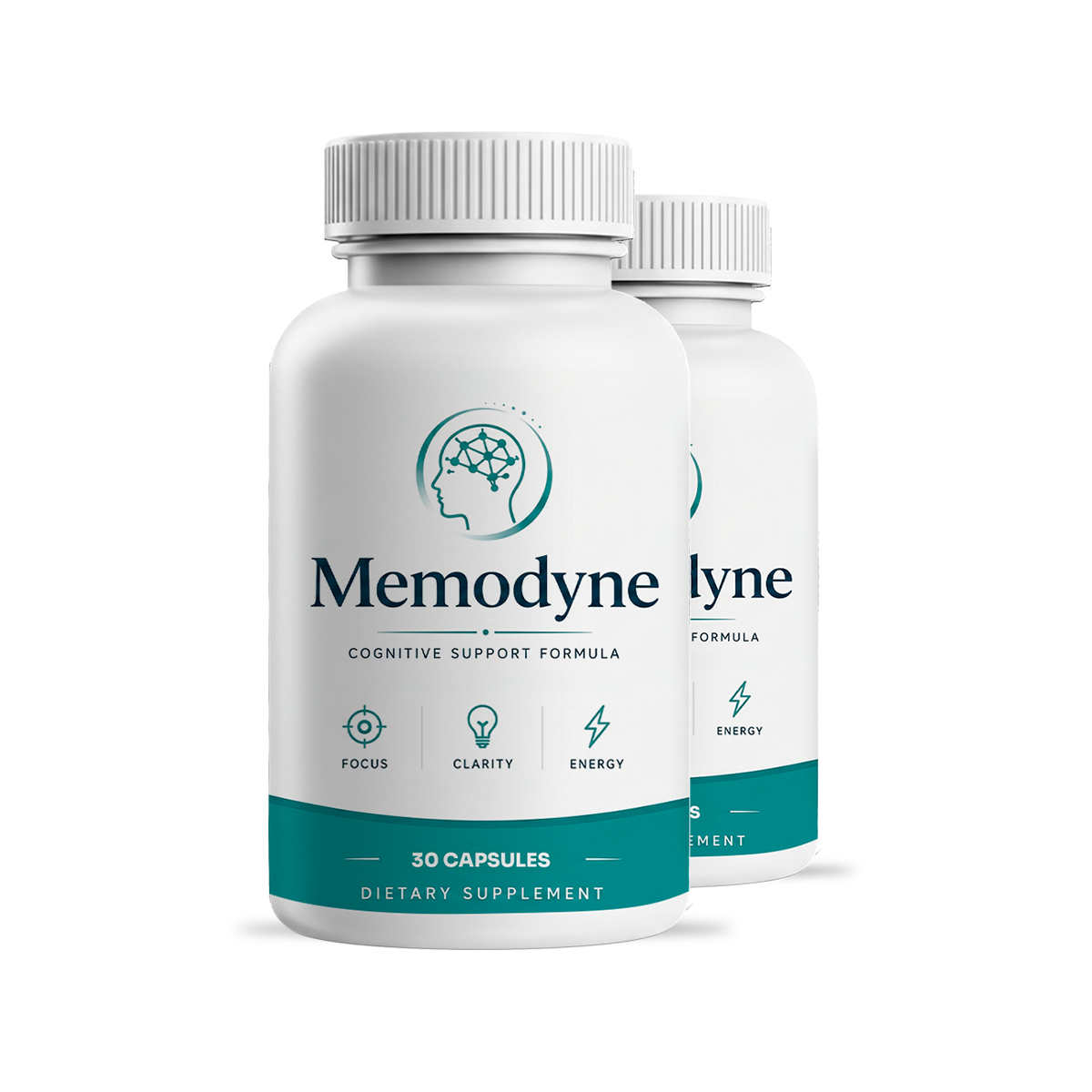
With that context, one product we feature on Welluna Journal is Memodyne. It is a cognition-oriented supplement marketed for focus, mental clarity, and everyday cognitive wellness. We have not tested it ourselves, and we cannot promise it will change your concentration. If you are curious, the best move is to check the current formula, serving size, and price on the official Memodyne page.
Before you buy any focus product, a few checks keep things sensible:
- Read the full ingredient panel, not just the front label. Our guide on how to read supplement labels walks through what to look for.
- Look for caffeine or other stimulants if you are sensitive to them or already drink coffee.
- Ask your doctor or pharmacist about interactions, especially if you take prescription medicines, are pregnant or breastfeeding, or manage a chronic condition.
- Keep your sleep and movement habits going, so you can tell what is actually helping.
- Do not use a supplement to put off checking a new or worsening change in concentration.
If those boxes are ticked and you want to try it as one small part of your routine, you can see Memodyne details here.
When trouble concentrating after 40 needs a doctor
Ordinary distraction is common. But some signs deserve a professional opinion. The Harvard Health Publishing guide on concentration and focus advises seeing your doctor if you notice sudden changes in your ability to concentrate, such as trouble finishing routine tasks and chores, regularly misplacing essential items, or making frequent poor decisions. Those symptoms can be linked to conditions like heart disease, depression, anxiety, or dementia.
UCLA Health adds that you should talk to your primary care physician if brain fog interferes with work, social life, or household tasks, or if it lasts several weeks or gets worse. Cleveland Clinic lists sleep loss, anxiety and depression, diabetes and low blood sugar, hormonal changes such as menopause, autoimmune conditions, and stress among possible causes. A doctor can help sort out which, if any, applies to you.
How to improve focus after 40: the short version
If you remember one thing, make it this: a scattered mind in midlife usually has more than one cause, and the most reliable fixes are boring ones. Protect your sleep, move most days, work in single-task blocks, quiet your phone, eat in a steady way, and check your medicines. Give changes two weeks before judging them.
Supplements can be an optional extra if you have looked at the label and talked it over with your clinician, but they are not where I would start. And if your concentration changes suddenly or keeps getting worse, skip the experiments and book an appointment.
Frequently Asked Questions
Is it normal to lose focus as you get older?
Some change can be normal. UCLA Health notes that the brain typically starts to undergo chemical and structural changes in the 50s and 60s, which can bring occasional brain fog. In your late 30s and 40s, sleep, stress, workload, and distractions are more often the bigger factors. A sudden or worsening change is not something to write off as normal aging.
Why can’t I focus anymore in my 40s?
Common reasons include short or poor sleep, stress, multitasking, constant notifications, alcohol, and medication side effects. For women, hormonal changes around perimenopause can play a part. Tracking when focus is worst for a week is a good way to narrow it down.
Do brain supplements for focus actually work?
According to Harvard Health, there is no solid proof that over-the-counter brain health supplements improve thinking, and manufacturers do not have to prove their claims. If you want to try one, review the ingredients and the evidence with your clinician, and treat it as an addition to sleep, exercise, and diet rather than a fix.
What helps concentration at work right away?
Silence notifications, pick one task, and set a timer for a focused block. Take a short break when it ends, ideally with a few minutes of walking. Simple steps like these are easy to test today, and they cost nothing.
When should I see a doctor about trouble concentrating?
See a doctor if the change is sudden, gets worse over several weeks, or makes it hard to finish routine tasks, keep track of important items, or make decisions. Also mention it if it started after a new medication or comes with low mood, anxiety, or sleep problems.
Disclosure: This post contains affiliate links. If you buy through them, Welluna Journal may earn a commission at no extra cost to you. This article is for general information only and is not medical advice. Talk with a qualified healthcare professional about your own health, medications, and any supplement you are considering.