
The enormous water bottle arrives with motivational lines printed down the side. By 3 p.m., it is still mostly full, now serving as an expensive paperweight beside your keyboard. Hydration habits that stick usually look much less dramatic.
Most people do not need a social-media challenge to remember fluids. They need drinking opportunities that fit real life: water with breakfast, something during a commute, a refill at lunch, more on hot or active days, and flexibility for individual health needs. The exact amount varies, which is why a single gallon target is a poor universal rule.
The oversized bottle that became desk decoration
You buy a fashionable giant water bottle, fill it before work, and feel prepared. By four o’clock most of the water is still there because the lid is annoying, the bottle does not fit in your bag, and every meeting ran longer than expected. The obvious temptation is to blame yourself for not reaching the number printed on the side. A less dramatic explanation is that the tool simply did not fit the day.
Choose a cup, glass, or bottle that you actually like using. Some people drink comfortably from a mug at their desk; others prefer small bottles that are easy to carry. The routine should make fluid available, not turn hydration into a public performance. Whether the container photographs well is irrelevant to the person who has to wash it at night.
Stop treating one number as a universal rule
Online challenges often attach a fixed volume of water to everyone, regardless of body size, exercise, weather, or medical history. That is too simple. Water also comes from foods and other drinks, and more is not always better.
Instead of forcing large amounts, notice how you feel during normal days and how your needs change after heat exposure or activity. Anyone with heart, kidney, or other conditions affecting fluid balance should follow professional guidance rather than generic advice.
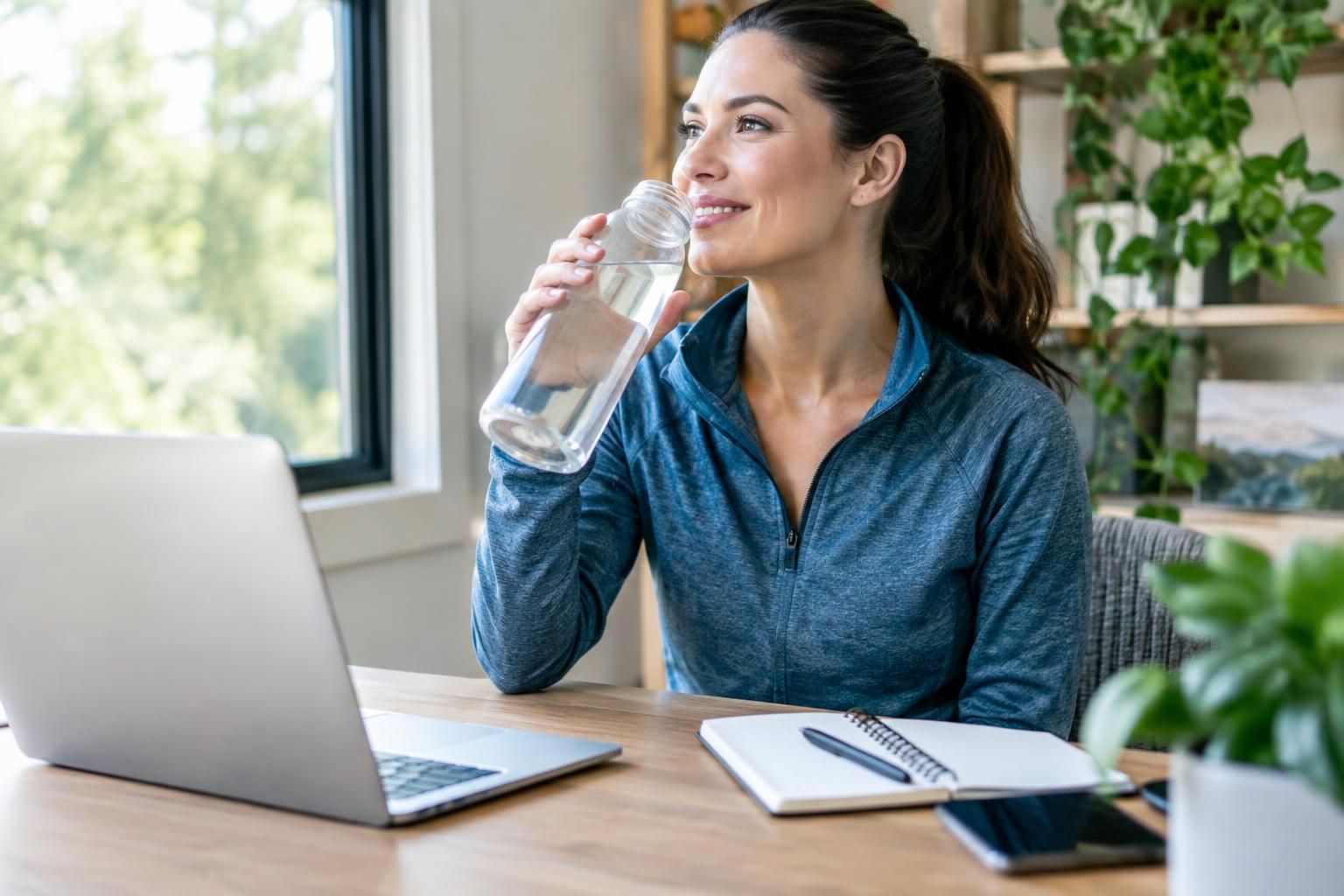
Attach drinking to routines you already have
Leave a clean glass near breakfast, keep a refillable bottle at work, or drink with meals. These tiny cues may work better than hourly alarms, especially if your phone already produces enough notifications to ignore.
If you spend long periods sitting, a walk to refill your bottle can double as a movement break. Our guide to daily steps focuses on the same low-drama principle: build activity into life rather than chasing a badge.
Make the easy choice pleasant
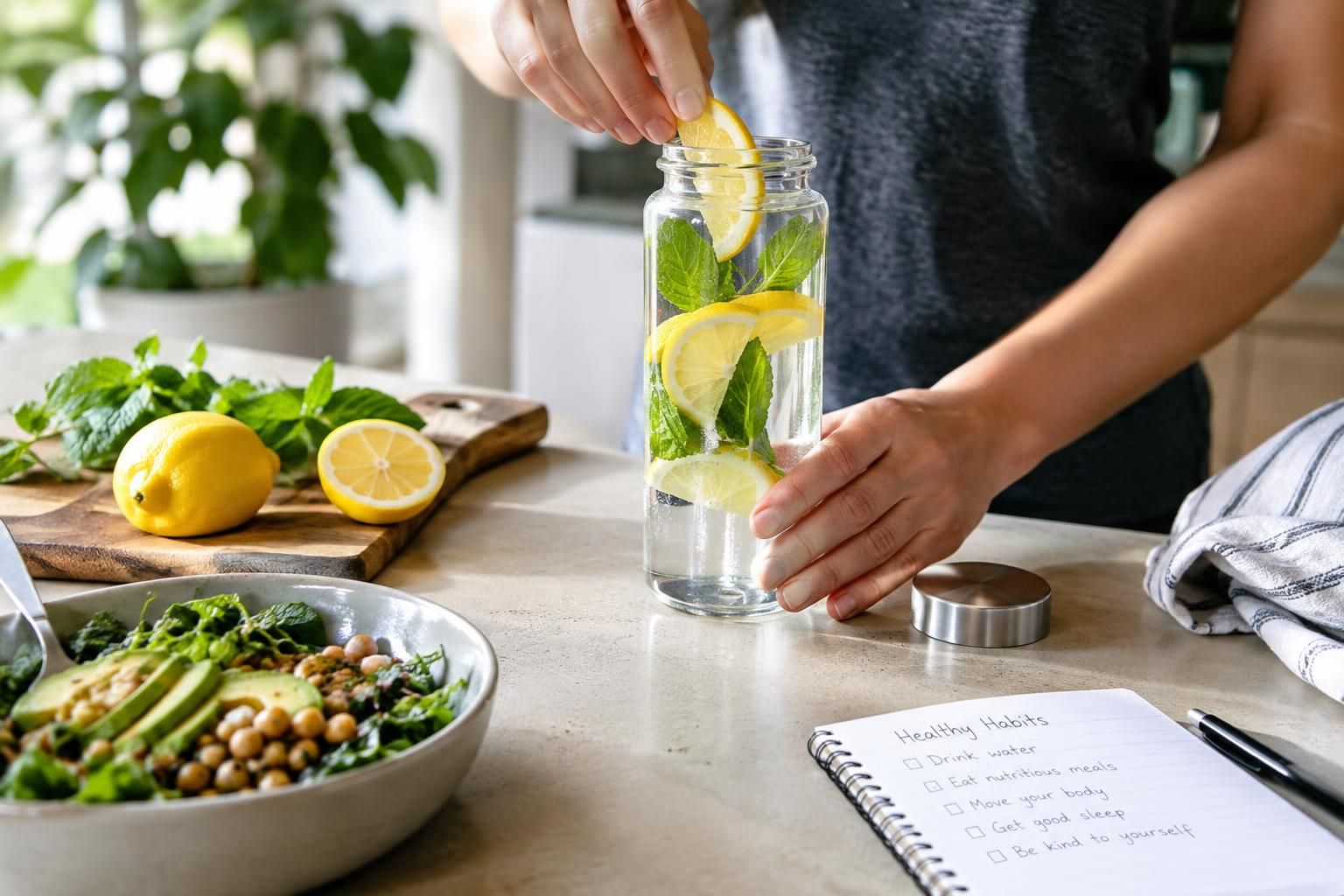
People sometimes drink less simply because the available water is warm, inconvenient, or tastes unappealing. A chilled bottle, a slice of citrus, or a cup of unsweetened tea may be more inviting. There is no prize for using the largest container.
Keep basic food safety and cleanliness in mind. Wash reusable bottles regularly and avoid leaving drinks in conditions where they may become unsafe. Convenience should not require an elaborate collection of accessories.
Think differently about warm days and workouts
A short indoor workday and a long outdoor hike are not the same. Heat, sweating, activity intensity, and access to fluids all affect planning. Bring appropriate drinks on active days and take signs of heat illness seriously.
If you are building a running routine, our beginner running article offers a gradual approach that also values recovery. Do not assume that an exhausting workout can be fixed merely by drinking extra water.
Notice the hidden role of your schedule
A long commute, back-to-back meetings, or inconvenient bathroom access can make people avoid drinking. Rather than forcing a plan that creates problems at work, identify a practical time to refill and use facilities.
If frequent urination, burning, unusual thirst, or other symptoms are persistent, those deserve medical attention rather than experimentation with hydration hacks. Our article on nighttime urination in women over 40 addresses one specific pattern, but it should not be used to self-diagnose.
Keep hydration in proportion to the rest of wellness
Drinking enough matters, but it is only one part of your day. Food, rest, movement, and stress all deserve attention. It is easy to focus on a visible goal like a bottle volume because it feels easy to measure.
Try a simple check at the end of the week: did your routine make it easier to drink when you wanted to? If yes, keep it. If it became another obligation you resented, make it smaller and more flexible.
Do not let tracking turn into a source of anxiety
A hydration app may be fun for a week, but some people end up watching a number more closely than their own needs. If notifications make drinking feel stressful, try returning to a few ordinary cues such as meals, work breaks, and outdoor activity.
The best reminder is not always digital. A favorite glass on the kitchen counter or a bottle packed with your lunch may work better than another alert. Pay attention to comfort and health guidance rather than assuming that more tracking creates better results.
Hydration needs change with context
A quiet workday in a cool room differs from gardening in summer heat. Travel, altitude, illness, and exercise can also change the situation. Plan access to fluids when you expect a demanding day instead of waiting until you are far from a place to refill.
Anyone following a medically prescribed fluid limit should prioritize that plan. Severe symptoms of heat illness or dehydration warrant timely care. This guide is about establishing practical routines, not about diagnosing a condition from thirst or a water-bottle measurement.
The hydration plan hidden inside an ordinary workday
Breakfast already creates a cue: drink something with the meal. The commute creates another: bring a bottle or buy a drink you will actually consume. Lunch offers a refill. An afternoon coffee break can include water without requiring you to “cancel out” the coffee like a math problem.
The plan becomes easier when fluids are visible and pleasant. Some people drink more from a cold bottle, others prefer sparkling water, tea, or water flavored with fruit. The best cue is the one that makes drinking feel normal rather than like a test of discipline.
Hydration and the schedule nobody posts
Think about the times when having a drink is inconvenient: riding public transport, working at a customer-facing counter, teaching a class, or caring for a toddler. An hourly alarm may be useless if you cannot stop what you are doing. Instead, identify opportunities you control, such as meals, breaks, and the beginning or end of a commute.
If you work outdoors or exercise in heat, your needs can change. So can needs during illness, pregnancy, or when taking certain medicines. General habits are not substitutes for individualized fluid guidance where relevant. Our daily step guide is a reminder that wellness targets are best treated as context, not moral scores.
A more thoughtful way to notice thirst
Try observing your daily pattern for a week. Do you remember to drink only once you arrive home? Do you enjoy a warm drink in the morning and forget the rest of the day? Are you more thirsty after a walk or during warmer weather? These questions guide practical adjustments without pretending there is a perfect amount for everyone.
Urine color can sometimes provide clues about hydration, but it is not a flawless diagnostic tool; foods, supplements and medications can change it. If you have persistent unusual thirst, dizziness, or symptoms that worry you, seek medical guidance. Most ordinary routines benefit from a little attention and accessibility rather than rigid challenges.
A seven-day experiment without ounce-counting
For one week, do not chase a large numerical target unless a clinician has given you one. Instead, note when thirst is strongest, when you routinely go hours without drinking, how weather and exercise change your needs, and whether your urine is consistently very dark.
Then add one cue where the gap is obvious. Maybe it is filling a bottle before leaving home. Maybe it is drinking something with lunch instead of realizing at 4 p.m. that you had only coffee. The experiment should make your day easier, not create another dashboard to manage.
Coffee, tea, and the drinks people forget to count
Hydration does not come only from plain water. Many beverages and foods contribute fluid. Caffeine affects people differently, and some medical conditions require individualized guidance, so there is no reason to turn every coffee into a moral problem.
If late caffeine is interfering with sleep, the timing question may matter more than the hydration question. Our evening routine article is useful if a late-night drink is part of a broader pattern of pushing bedtime later.
Hydration during exercise without turning it into math homework
On a cool twenty-minute walk, you may not need a complicated strategy. On a long run in summer heat, fluid needs can be very different. Duration, temperature, sweat rate, body size, clothing, altitude, and medical conditions all affect what is appropriate.
Use context and thirst rather than forcing the same target on every day. For prolonged or intense exercise, especially in heat, electrolyte replacement may be relevant. If you have a condition that changes fluid or sodium recommendations, individualized guidance matters more than any viral “ounces per pound” rule.
Make hydration boring enough to keep
>
- Attach a drink to breakfast and lunch.
- Keep fluids where you spend the most time rather than in another room.
- Add more on hot days or around exercise as needed.
- Use beverages you genuinely enjoy within your health needs.
- If you have kidney, heart, endocrine, or other conditions that affect fluid balance, follow individualized medical advice instead of generic online targets.
Frequently asked questions
Does everyone need to drink a gallon of water a day?
No. Fluid requirements vary, and excessive intake can be harmful. Follow individualized advice when you have medical conditions affecting fluid balance.
Does coffee count toward fluid intake?
Drinks including coffee contain fluid, although caffeine tolerance and its effects vary. Your overall pattern and health context matter.
Can unusual thirst be a health warning?
Persistent excessive thirst or urination deserves medical assessment, especially when accompanied by other symptoms.
Hydration habits that stick are boring in the best way. A cup with lunch, a bottle you enjoy using, and a plan for active days may be all you need. There is no need to turn drinking water into a competitive sport.