
The grocery aisle can make gut health feel like an expensive hobby. There are powders with complicated names, chilled shots you are supposed to drink before breakfast, and labels that make an ordinary bowl of oats seem hopelessly basic. Yet some of the most interesting foods for your gut are already waiting in the produce section. A slightly green banana, a can of beans, a few onions and a bag of oats are not glamorous. They are useful precisely because they can become normal food rather than another project. If you are curious about prebiotic foods, the practical question is not how to eat every one of them. It is how to add a couple without making your stomach, grocery budget or weekly schedule miserable.
If you are searching for prebiotic foods for beginners, the easiest place to start is with familiar groceries you can use more than once during the week.
Prebiotic foods for beginners: what to put in the cart first
The most useful first shopping trip is not a hunt for the longest possible list of prebiotic ingredients. Start with two or three foods that already fit meals you make: oats for breakfast, beans or lentils for lunch, and onions or garlic for dinner. That approach keeps cost and digestive changes predictable. It also gives you a chance to notice tolerance before adding several fermentable fibers at the same time. If you normally eat very little fiber, a smaller portion is a better experiment than a giant bowl of beans on day one.
Think in terms of repeatable pairs. Oats can become oatmeal one morning and overnight oats the next. Chickpeas can go into a salad, soup, or wrap. Slightly green bananas can be eaten with yogurt or sliced onto cereal. Prebiotic foods for beginners work best when the ingredient has more than one job in the kitchen. That lowers food waste and makes the habit feel like normal grocery shopping rather than a separate wellness program.
Your digestive response matters more than a social-media checklist. Gas or bloating after a sudden fiber increase does not automatically mean the food is a bad choice; it may mean the portion or pace was too aggressive. Keep hydration normal, increase variety gradually, and seek personalized advice if you have persistent symptoms, a diagnosed digestive condition, or a clinician-directed diet.
A useful first-week experiment is to repeat one simple pattern two or three times before adding another unfamiliar high-fiber food. That gives you enough repetition to notice comfort without creating a huge change in your usual intake. If one food clearly does not agree with you, swap it rather than forcing it because it appears on a “best gut foods” list.
Prebiotics are food for microbes, not another probiotic
Probiotics are live microorganisms found in some foods and supplements. Prebiotics are compounds that certain microorganisms can use as food. The difference matters when you compare a yogurt cup with a bowl of beans: one may contain cultures, while the other supplies fibers that reach the large intestine and can be fermented there. Those categories can overlap in real meals. You do not need to memorize bacterial species to benefit from the distinction. Think about a varied menu over weeks, not a magic ingredient added once. Different fibers nourish different communities, which is one reason a mixed plate usually makes more sense than buying one exotic source.
Start with foods you actually enjoy
Oats are a gentle starting point because you can eat them hot, chilled overnight or baked into a breakfast bar. Lentils can disappear into tomato soup or become the base of a warm lunch. Onions and garlic bring flavor to recipes you probably already cook. Asparagus is great if you like it, but nobody needs to force it into the shopping cart for the sake of a trend. Bananas, beans, barley and cooled potatoes offer other ways to diversify the carbohydrates and fibers on your plate. The best prebiotic-food list is the one that survives your usual Thursday evening, not the one that looks spectacular on a Sunday meal-prep photograph.

Why increasing fiber too quickly can backfire
A person who rarely eats beans may feel an uncomfortable amount of gas after suddenly adding a large lentil salad, a high-fiber bar and an inulin powder on the same day. Fermentation can produce gas; more is not automatically better. Increase portions gradually, drink fluids normally and pay attention to how you feel over several meals. If you already deal with irritable bowel symptoms or follow a low-FODMAP plan, certain prebiotic foods can worsen discomfort, so personalized advice may be useful. A sustainable change can be as unremarkable as adding two tablespoons of beans to lunch twice this week and slowly working upward.
Build meals instead of collecting ingredients
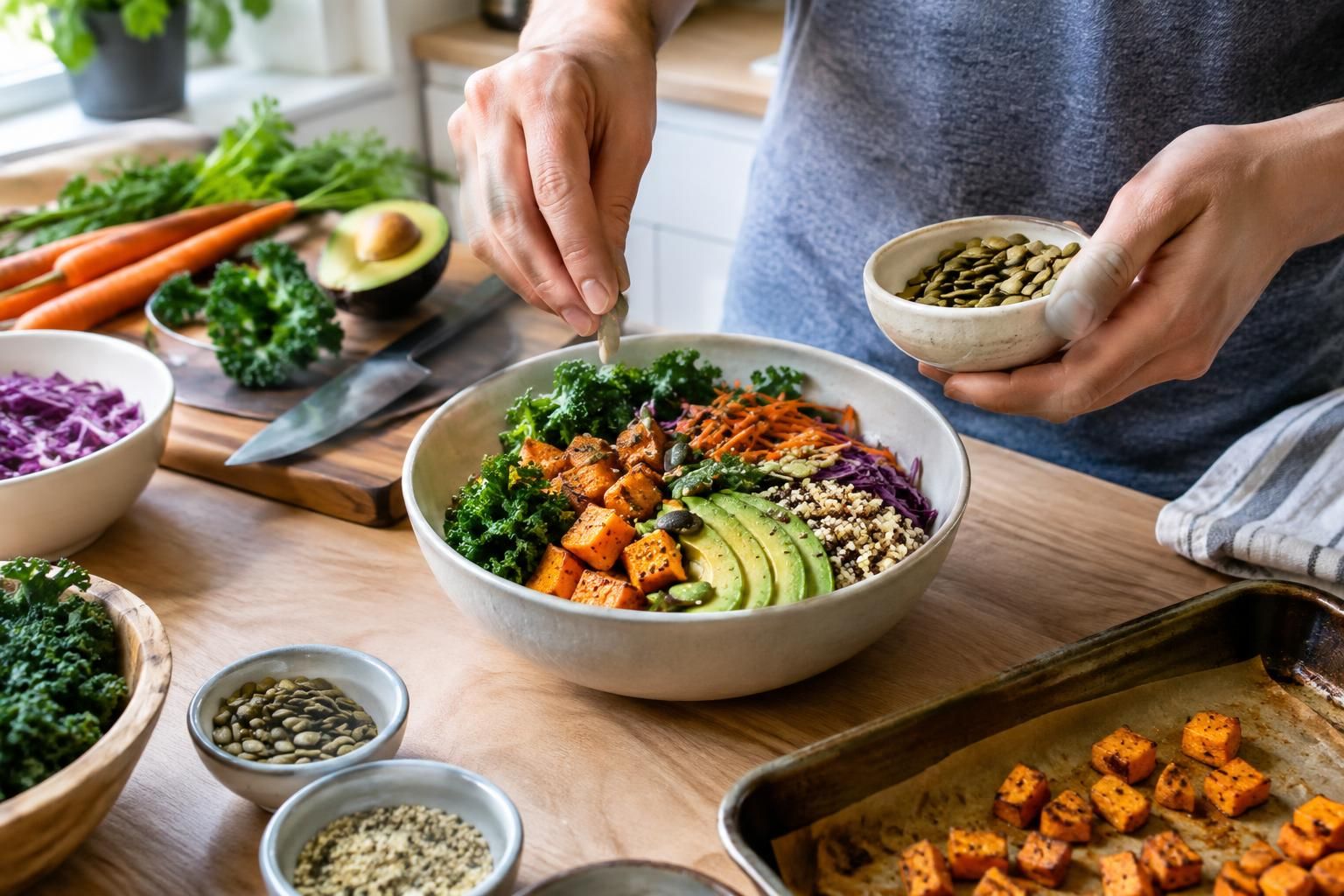
Try oatmeal with fruit and nuts, a rice bowl with black beans and roasted vegetables, or a simple turkey sandwich alongside a side of lentil soup. These meals have familiar structure: something filling, something colorful and something that tastes good. You do not need a special “gut-health meal” at every sitting. You can also use the same ingredients in different ways: leftover chickpeas might become a crunchy topping on salad, then the filling in a wrap the next day. Repetition can save money; diversity can happen across the week rather than every plate.
How to make a grocery list without wasting produce
Take a look at the foods already in your refrigerator before buying anything new. Perhaps you have half a cabbage, a few carrots and an almost empty jar of hummus. Rather than discarding them for a fashionable “gut health haul,” use them in a wrap and add one new source of fiber on your next shopping trip. A practical list might read: oats, canned lentils, bananas and one vegetable you already enjoy. That list is short enough to remember and flexible enough to survive a week with unexpected plans. Frozen vegetables count, and canned beans may be easier than dried ones if you cannot plan a long cooking session. Budget and habit matter more than boutique ingredients.
Where supplements fit into the conversation
A prebiotic or synbiotic supplement may appeal to someone who wants a simple routine, but the label still matters. Look for named ingredients, meaningful quantities and directions you can follow. A formula sold for microbiome support should not be treated as proof of weight loss. Ingredient research is not identical to research on the final product, especially when doses or live-culture counts are unclear. Whole foods also bring protein, vitamins, minerals and the pleasure of a meal. A capsule may be convenient; it does not replace the role of food diversity.
A low-pressure seven-day grocery experiment
Choose one breakfast, one lunch and one dinner you already make. Change one element in each: oats at breakfast, a spoonful of beans at lunch, an onion-and-vegetable side at dinner. Keep everything else familiar. At the end of the week, ask two questions: Which addition was easiest to repeat, and which felt comfortable for digestion? Those answers help more than a dramatic one-day challenge. If you disliked an ingredient, replace it. Consistency is built from options, not obligation.
How to know whether your pace is working
A good pace is one you can repeat without spending the day thinking about your digestion. If a small serving of beans or oats feels comfortable, keep it there for several meals before increasing the amount. If you feel noticeably more bloated after changing several foods at once, simplify the experiment and add them back one at a time. The goal with prebiotic foods for beginners is not maximum fiber as quickly as possible. It is a small group of foods you tolerate, enjoy, and can keep buying.
Make it work in a real week
You do not need to redesign your entire life to test the idea. Think about what would be easiest to do when your schedule is ordinary, your energy is average, and you have no special reason to feel particularly motivated. Start small, and let the experience guide the next adjustment.
- Choose two foods already on your shopping route rather than purchasing a specialty powder. Choose a modest starting point and try it on a normal weekday. If it feels easy, repeat it before making it bigger.
- Add a small portion to one familiar meal and increase gradually if comfortable. Experiment with the timing and format. Small adjustments are often more useful than adopting a strict schedule that does not fit.
- Keep a few low-effort backups: canned lentils, frozen vegetables or oats. Keep a practical backup for busy days. A simpler version is better than assuming the entire routine has failed.
- Notice meal satisfaction and digestive comfort rather than expecting a change on the scale. Pay attention to how the change fits your real life: comfort, satisfaction, cost and the effort it takes to repeat.
- Repeat the easiest addition next week before experimenting with another. Keep what worked, change what did not, and allow for days when your plans shift. Useful habits need flexibility.
What a sustainable approach looks like
Wellness advice often sounds precise until it meets a real schedule. A breakfast suggestion can be perfectly balanced and still fail if it takes forty minutes to make. A movement goal can be healthy yet impractical for someone with a long commute. The answer is rarely to demand more discipline. It is to simplify the environment so that the useful choice is an available choice. Plan for your ordinary day, not for the day on which everything goes smoothly.
This is especially true for adults who shop on a budget. You can use the suggestions as possibilities rather than commands, and keep only those that make ordinary meals, movement or attention feel easier. If personal health circumstances change the decision, individual advice matters more than following a general checklist.
It can help to connect this habit with a routine you already understand.
For more practical context, read our practical look at 10,000 steps a day and our guide to walking for weight loss after 40. These related guides focus on everyday choices rather than promising that a single ingredient changes everything.
How to use prebiotic foods in everyday meals
Adding prebiotic foods does not mean eating unfamiliar ingredients on their own. Oats can be breakfast, beans can go into a lunch wrap, and onions can be part of a soup you already make. Some prebiotic foods also provide other kinds of dietary fiber, and people vary in which foods feel comfortable. Keep the changes gradual instead of adding large portions of several unfamiliar foods at once.
For realistic lunch combinations using beans and whole grains, try our high-fiber lunch ideas for busy women. If you are building a steadier morning eating routine, see Morning Routine for Digestion. And when you want something smaller than a meal, satisfying afternoon snacks can be part of the same flexible grocery list.
Frequently asked questions
Are prebiotic foods and probiotics the same?
No. Prebiotic components feed selected microorganisms, while probiotics contain live microbes. Both may be useful in different contexts, but neither category guarantees a specific result. People vary in preferences, symptoms, schedules and underlying health needs. Use the answer as a practical starting point rather than an inflexible rule.
Can I eat prebiotic foods every day?
Many people can include them regularly. Portion size and food tolerance matter, especially if you get gas or have a digestive condition. What helps one person may not suit another, particularly when medical conditions or medication use change the picture. The details of your situation matter.
Do I need supplements to support my gut?
Not necessarily. A varied diet, sufficient fiber and consistent meals are the foundation for most people. A single ingredient or a single day cannot answer every question about a routine. Consider the longer pattern and prioritize clear information over sweeping claims.
The bottom line
The best use of this advice is to choose a routine you can understand and sustain. Rather than hunting for one perfect food or rule, choose the changes that make your next ordinary week easier. Your habits will evolve; keeping them practical is more valuable than trying to follow a flawless schedule every day.